Director: Tom Westbay
CGI Animators: Tom Westbay, Wiredsloth
Edit/Music/Sound: Tom Westbay
Special Thanks: Tim, Cornelius Dämmrich, Maxime Gerardin
Image Gallery & Behind The Scenes ↓
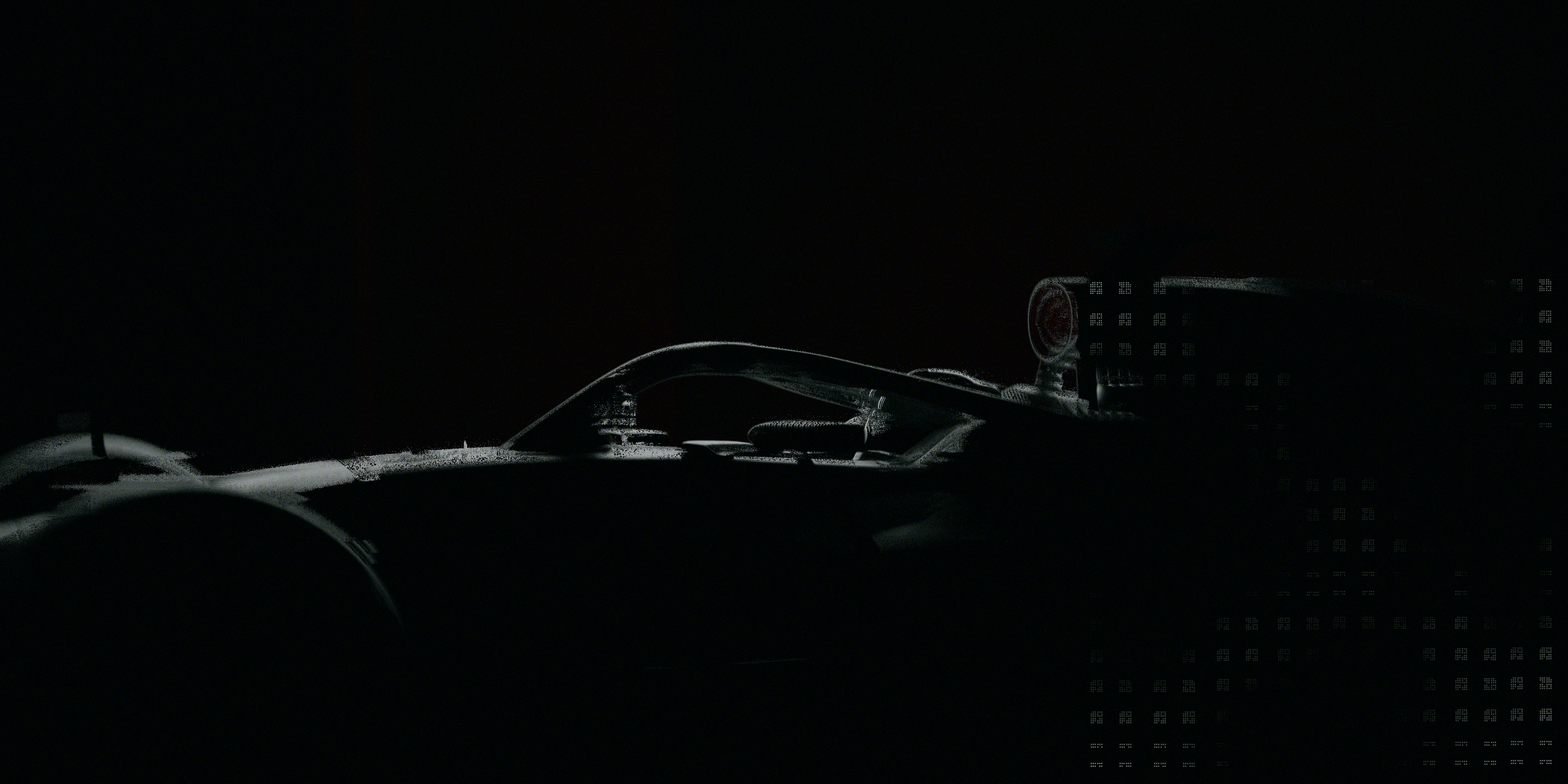
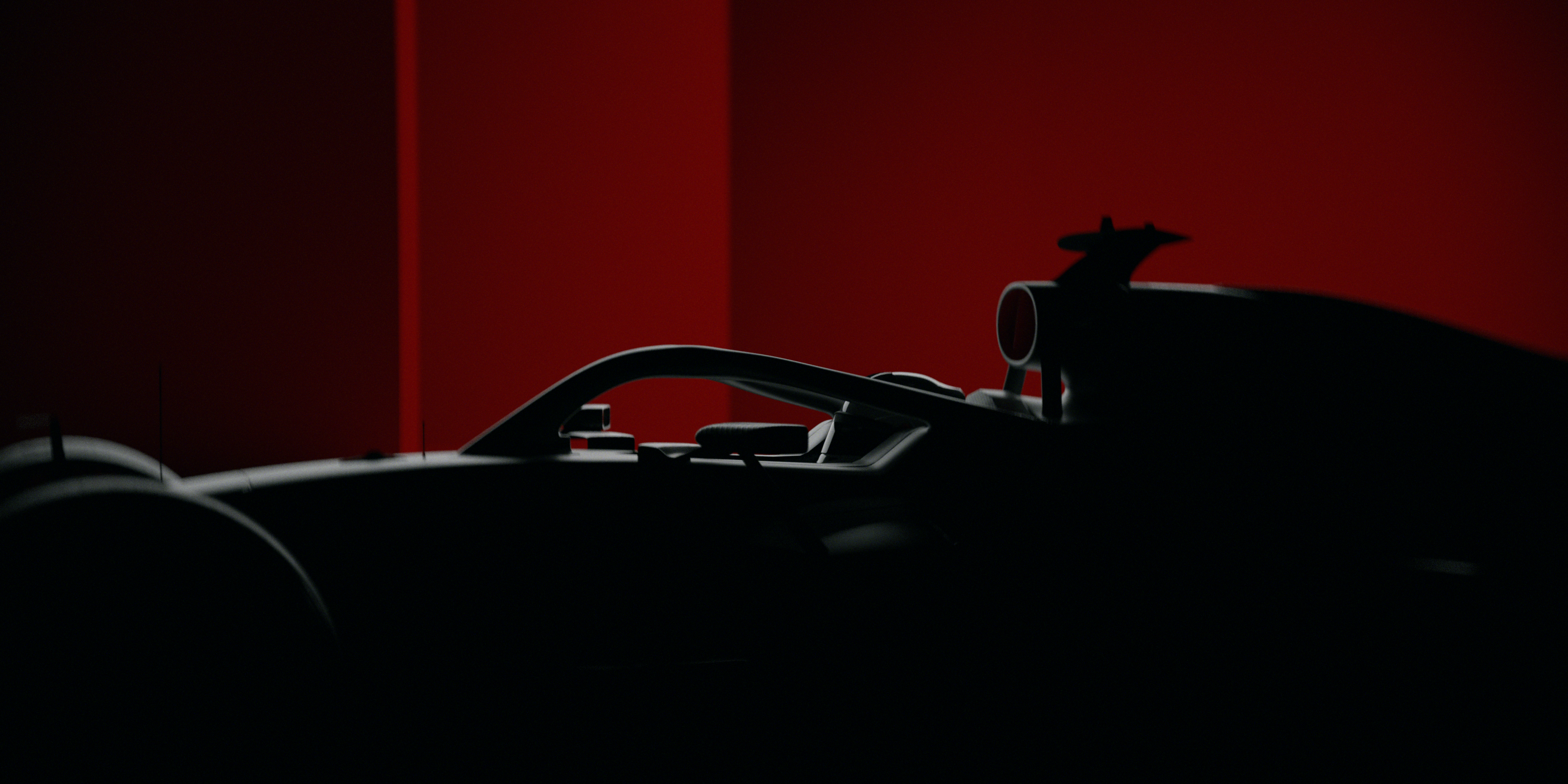
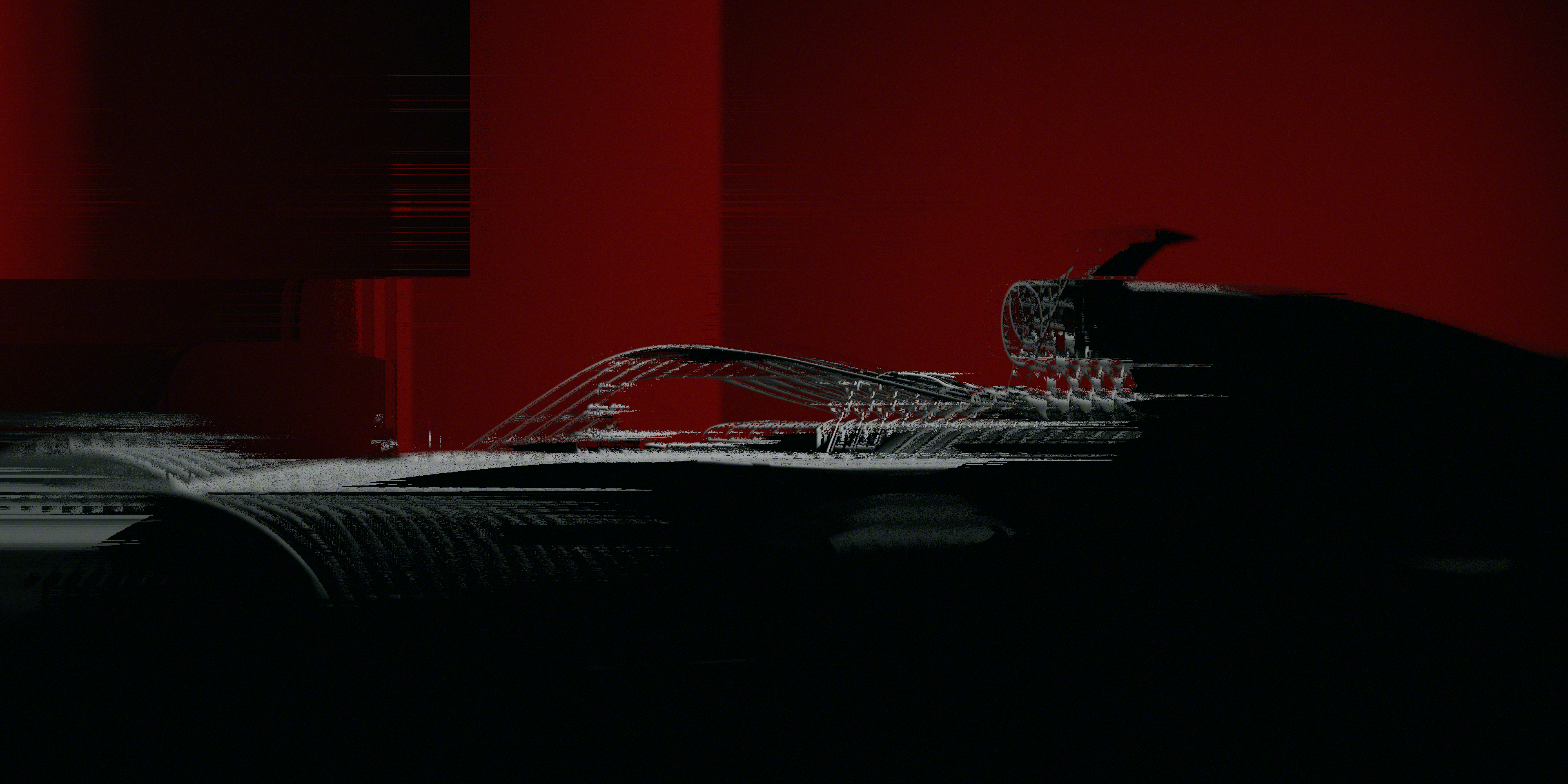
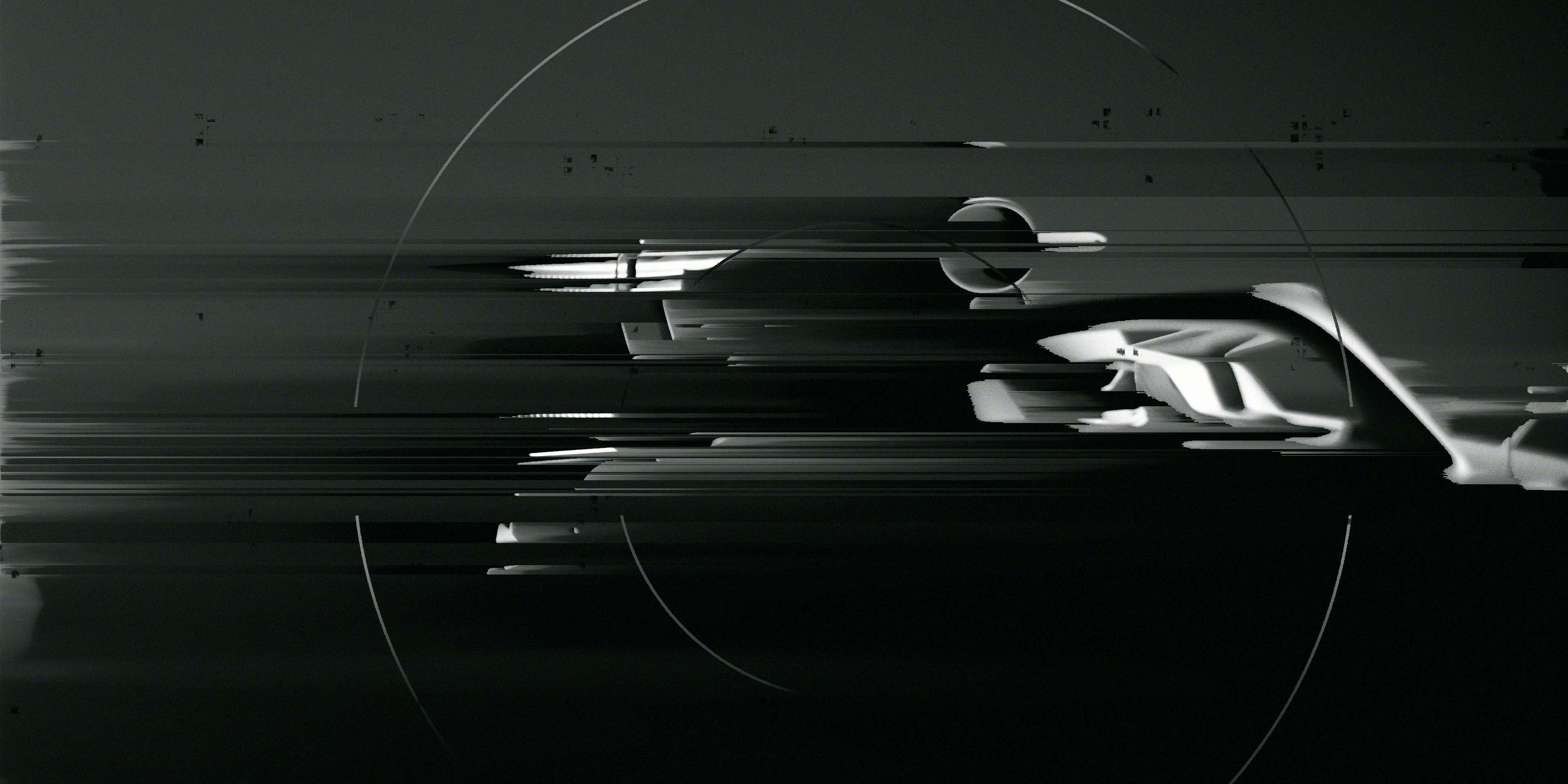
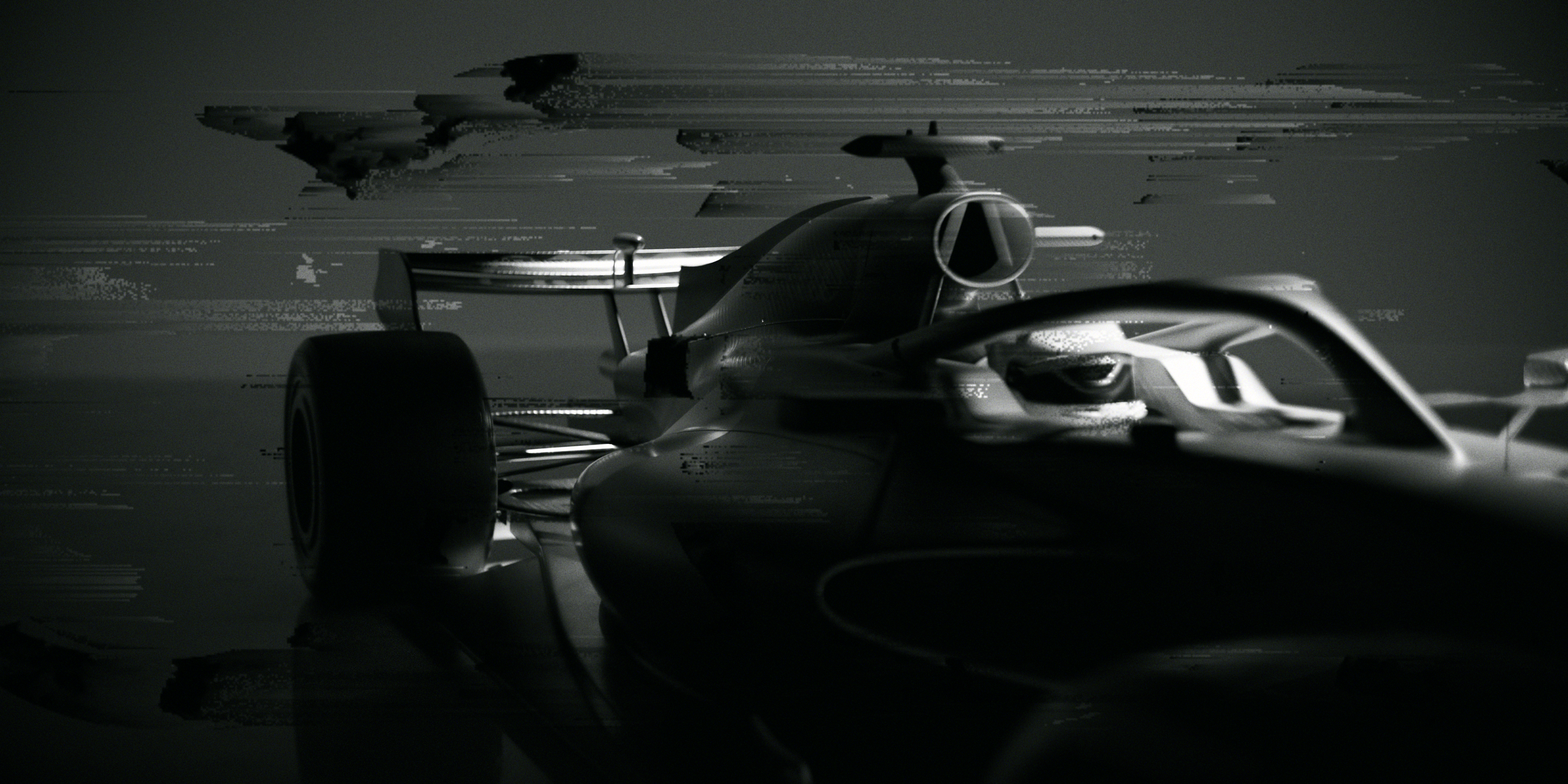
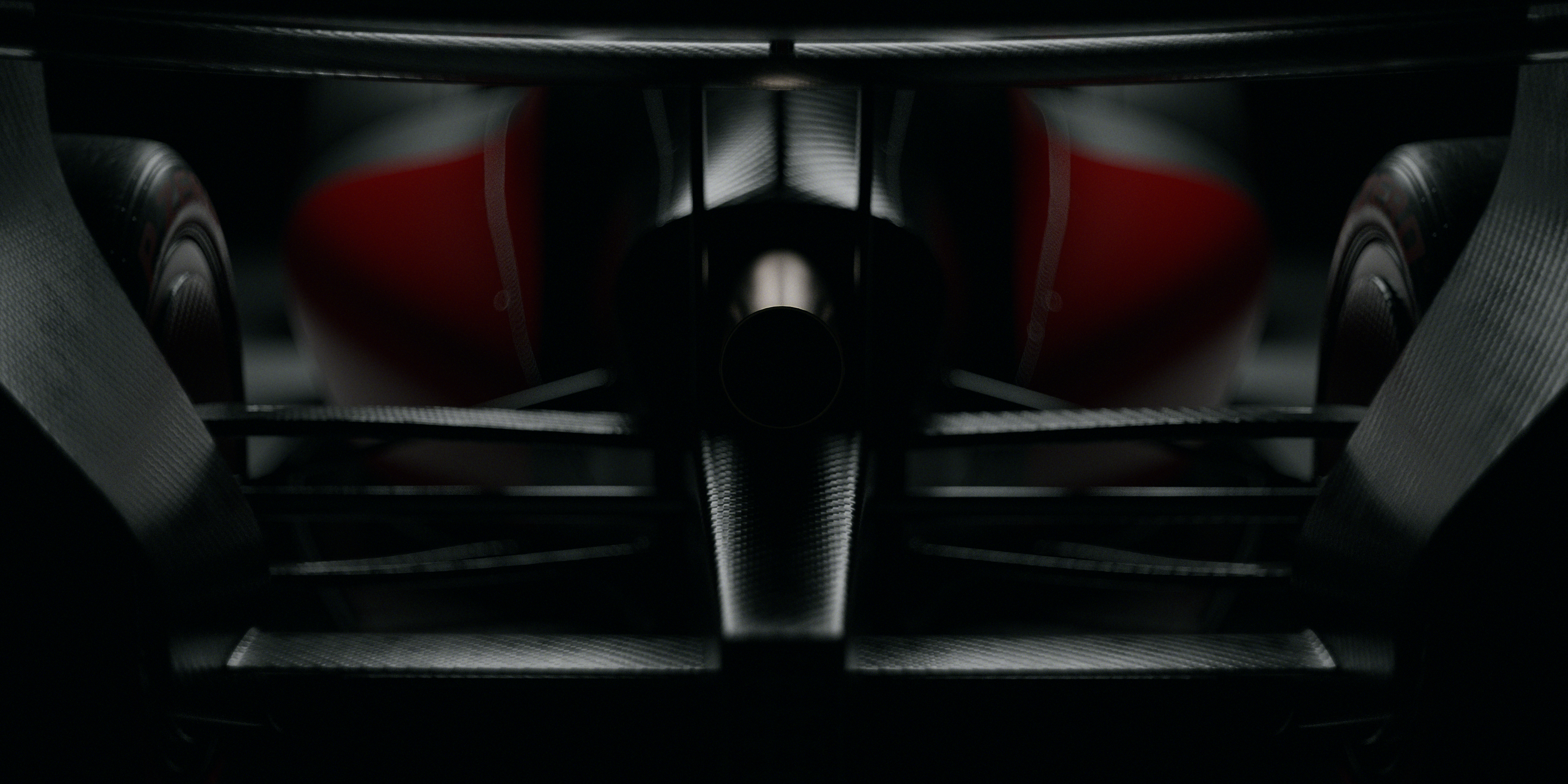
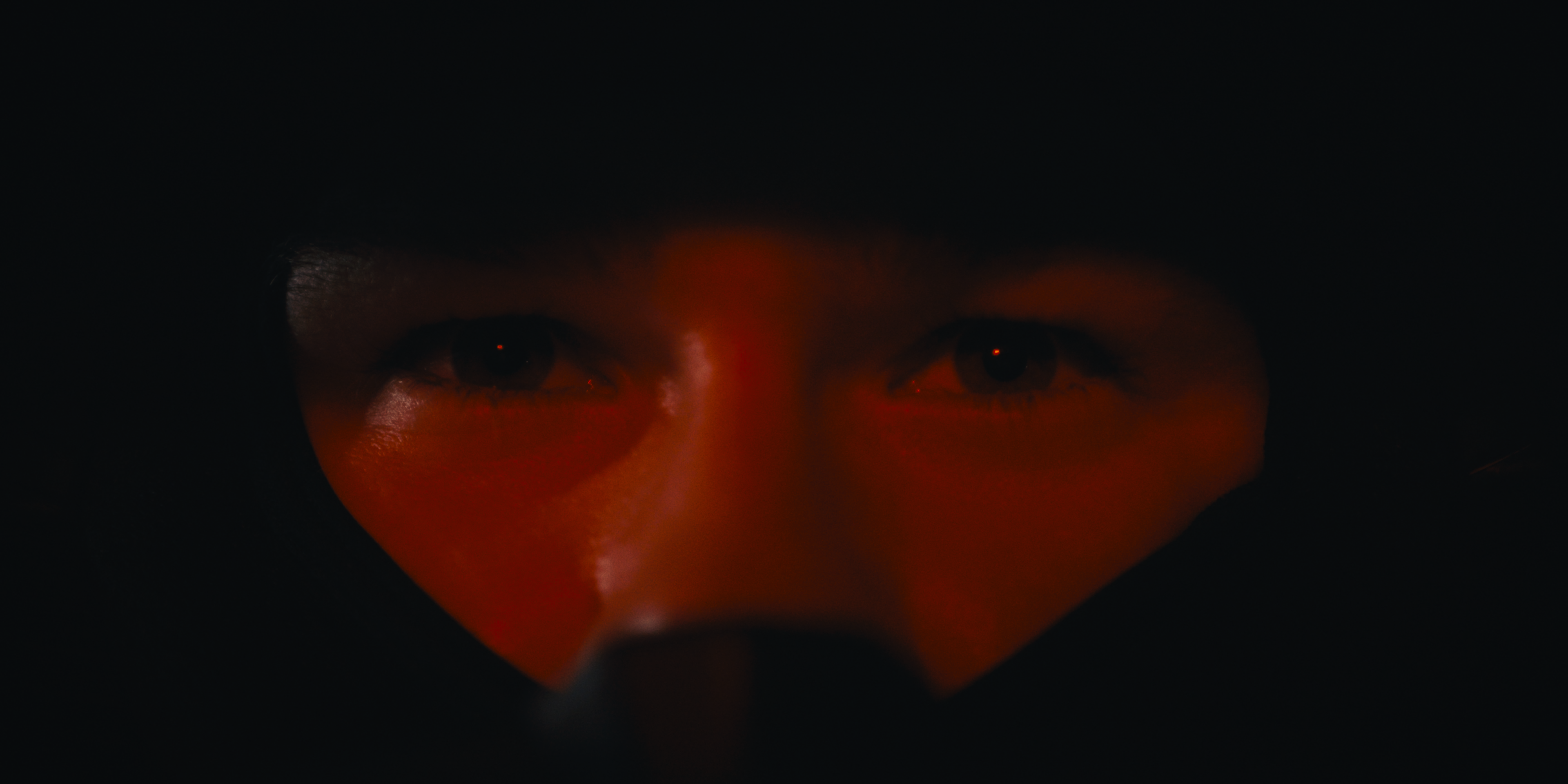
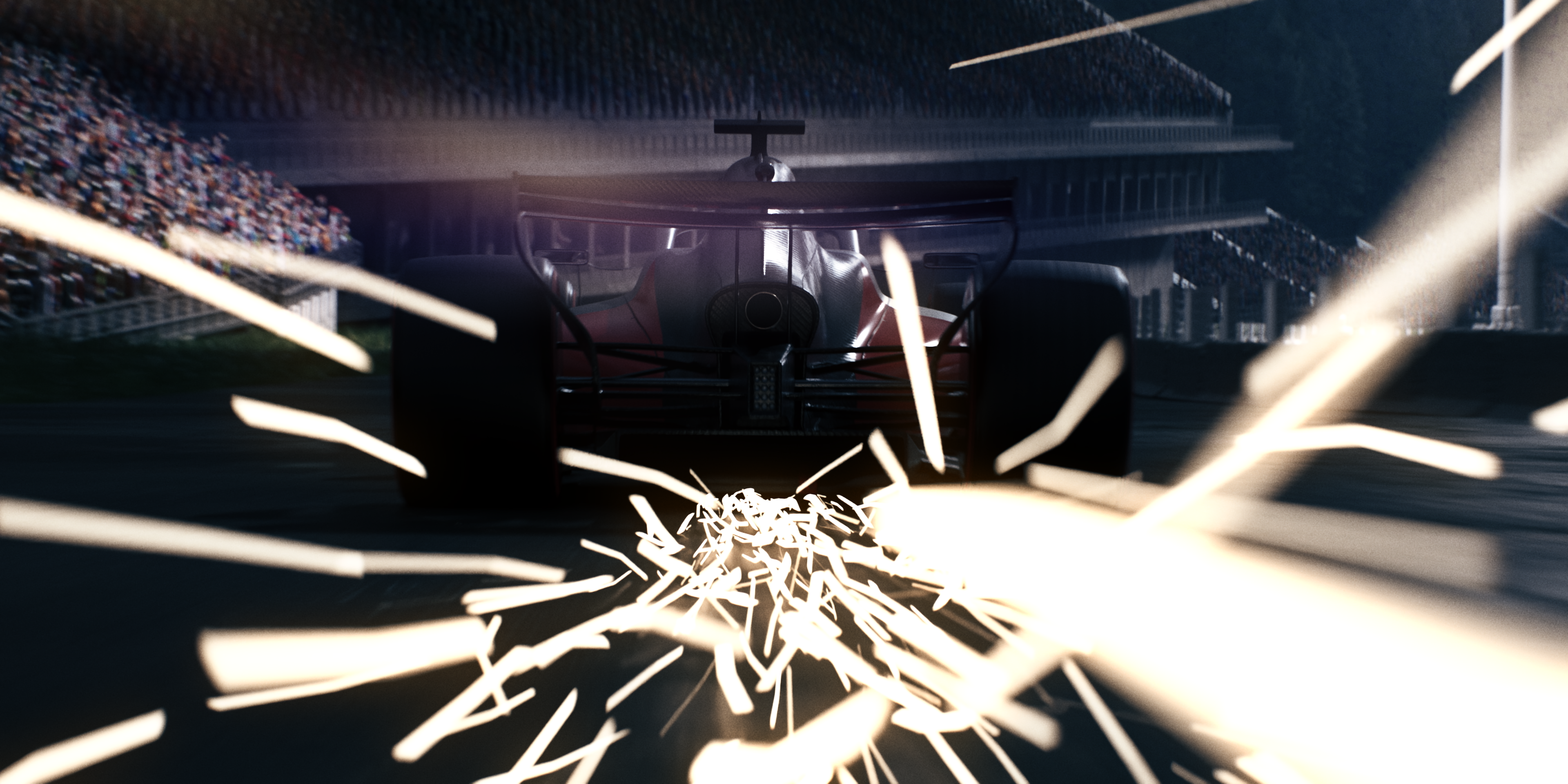
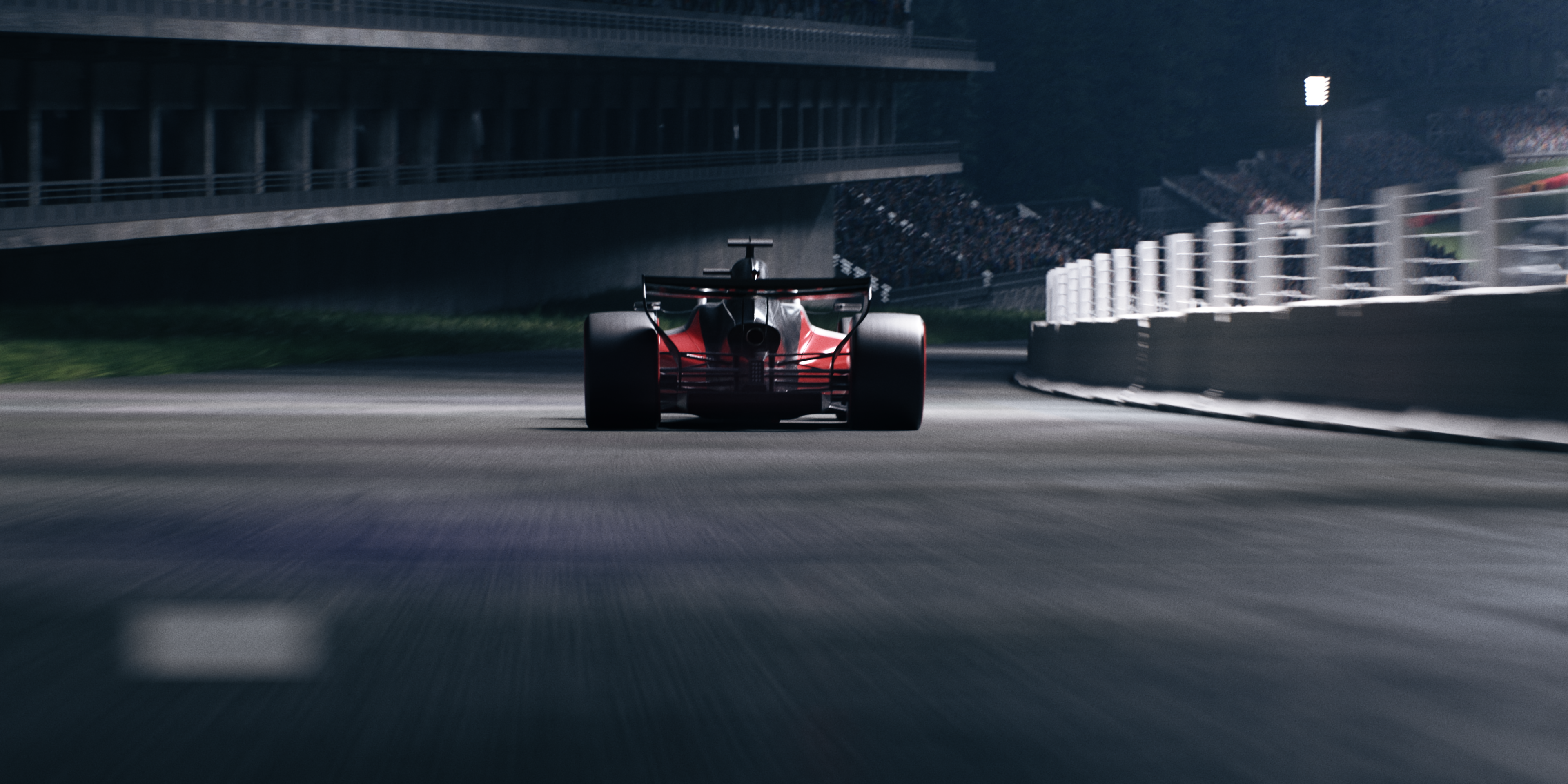
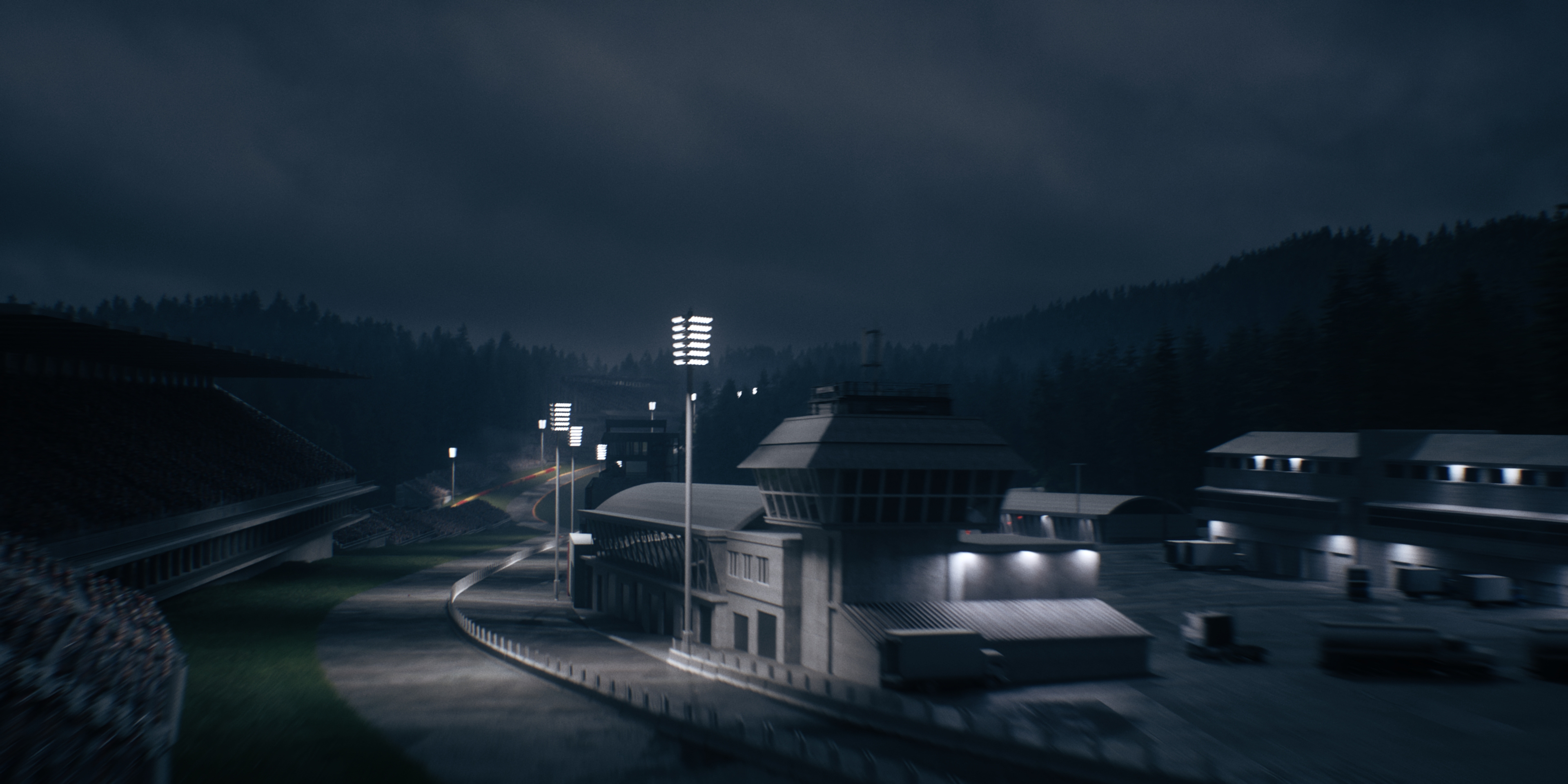
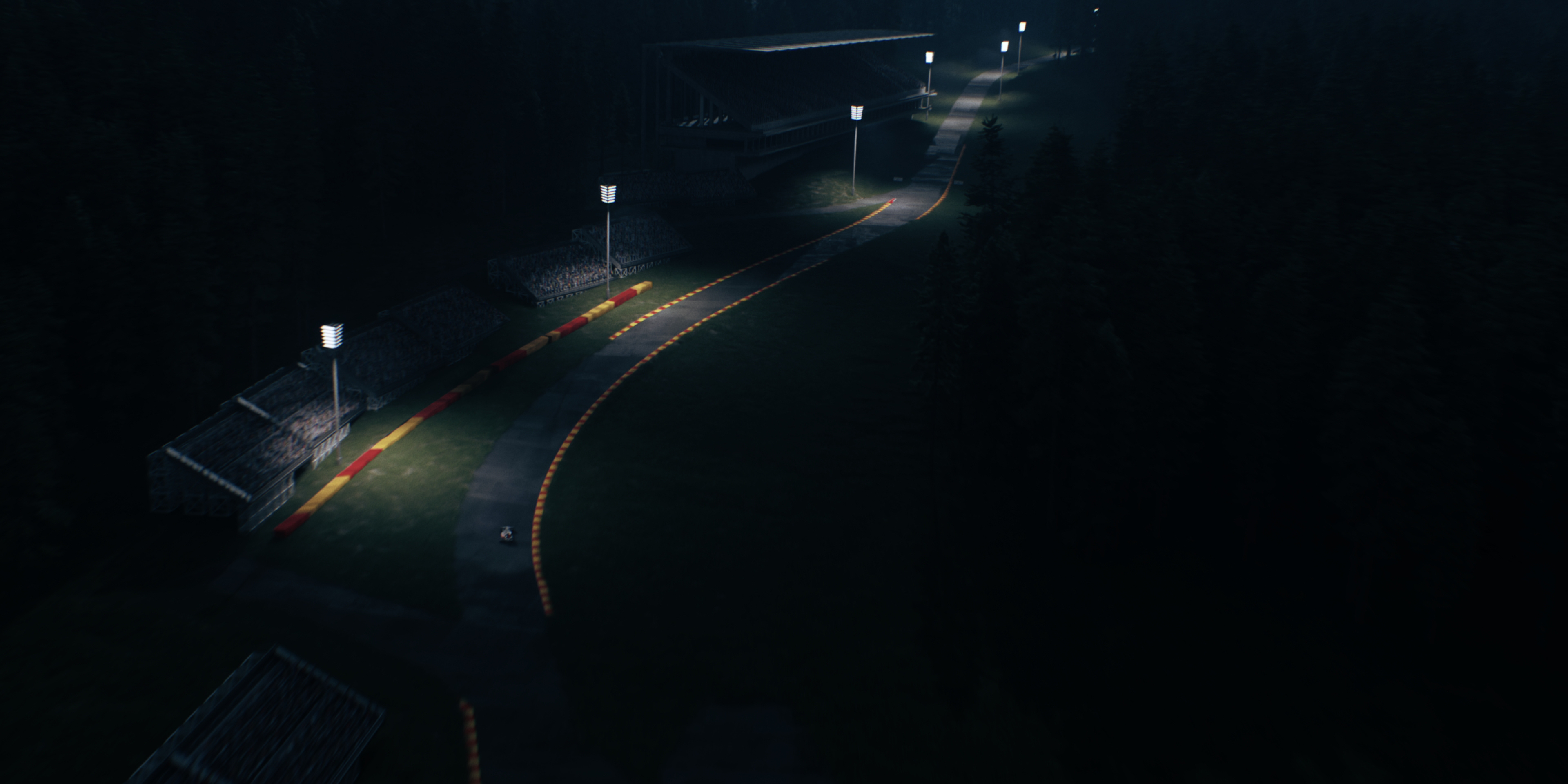
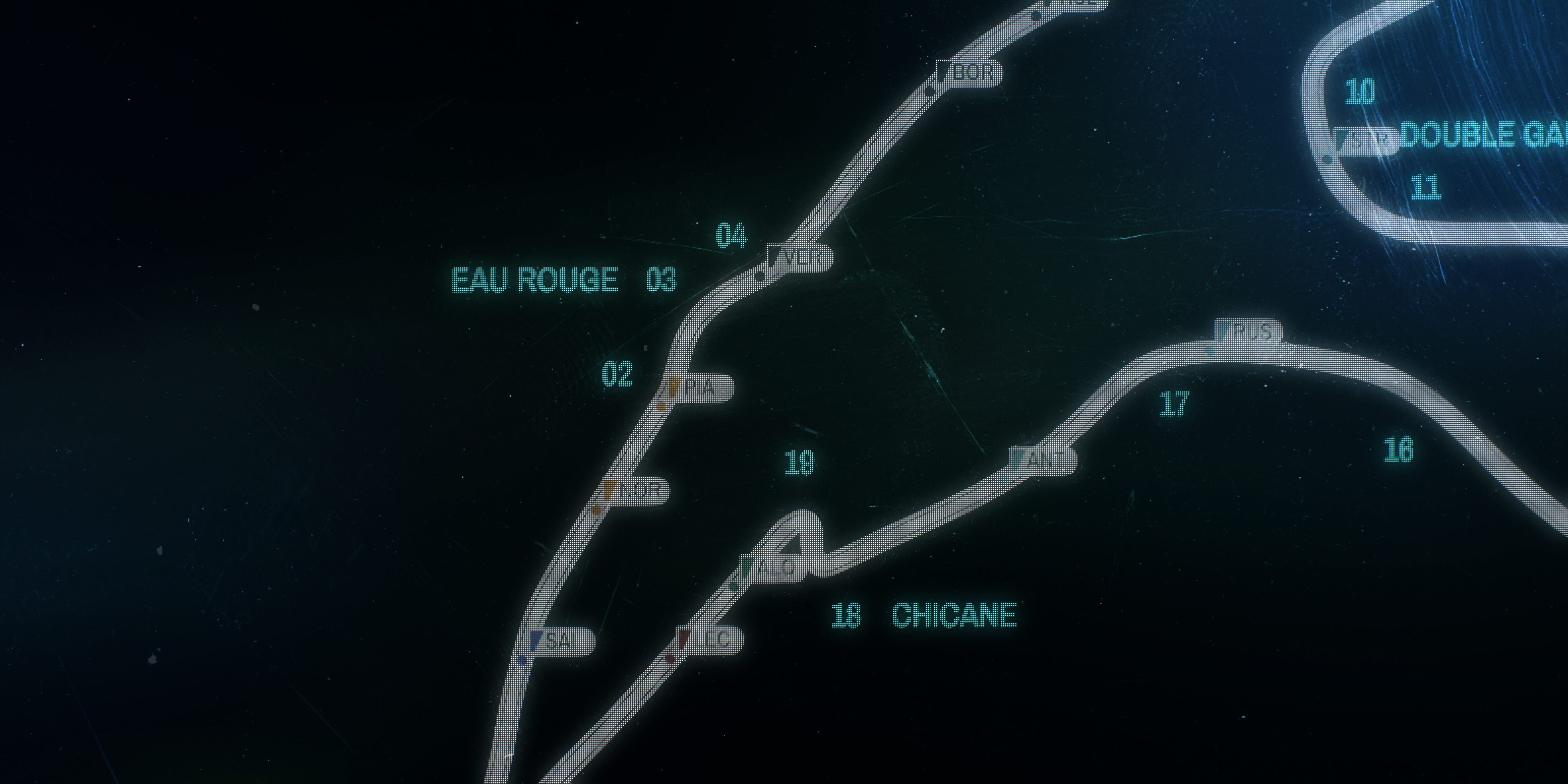
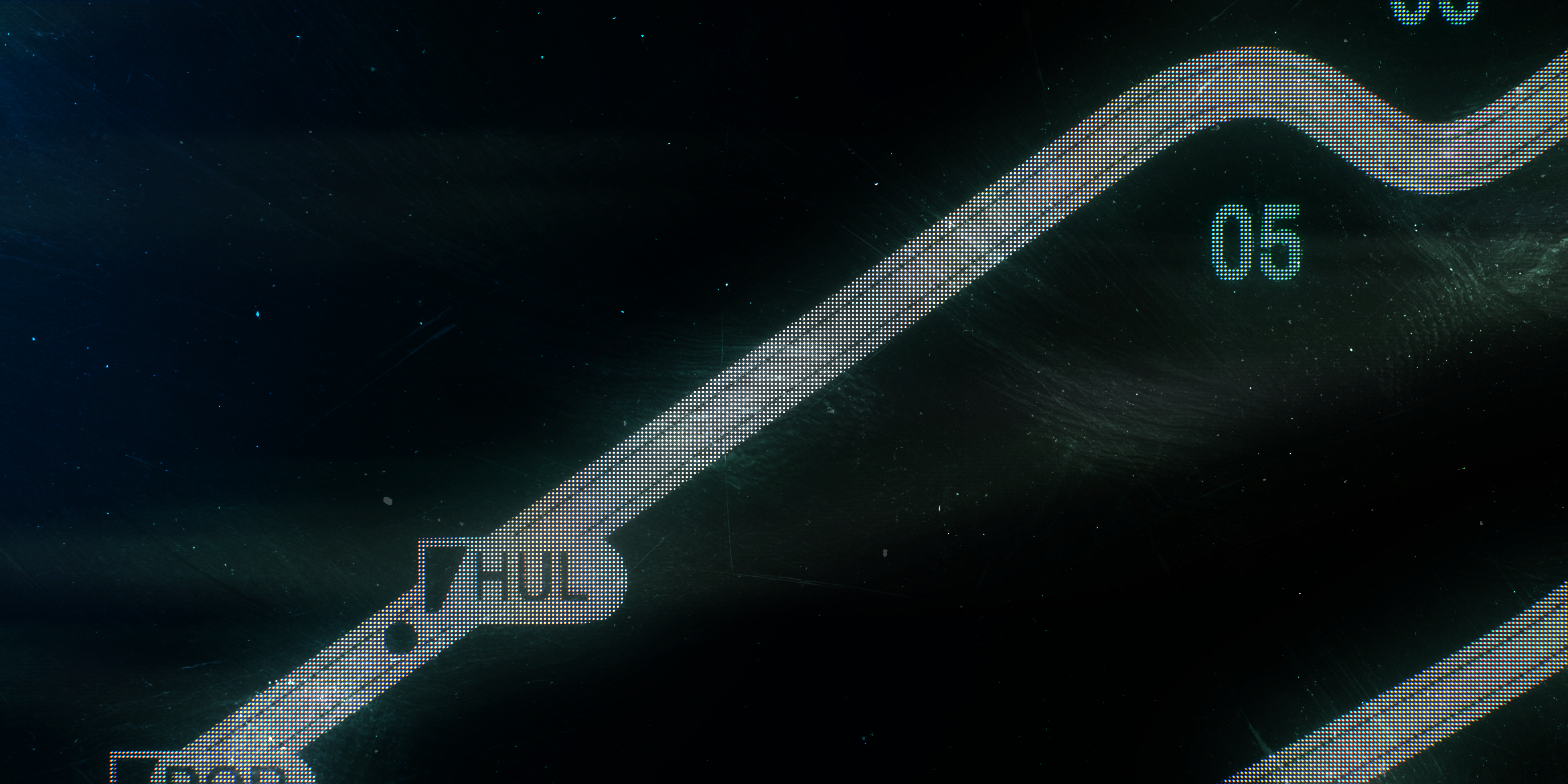
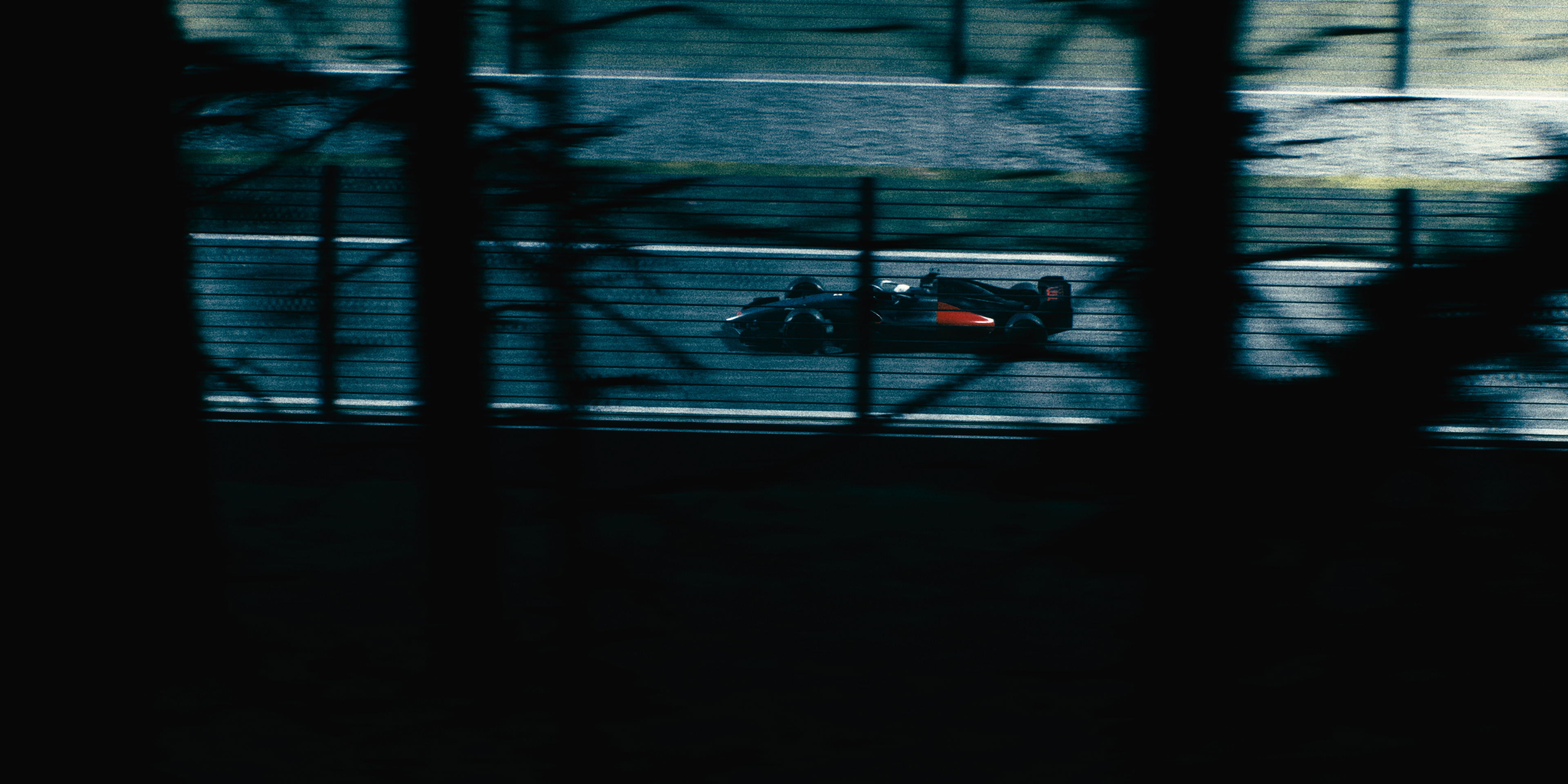
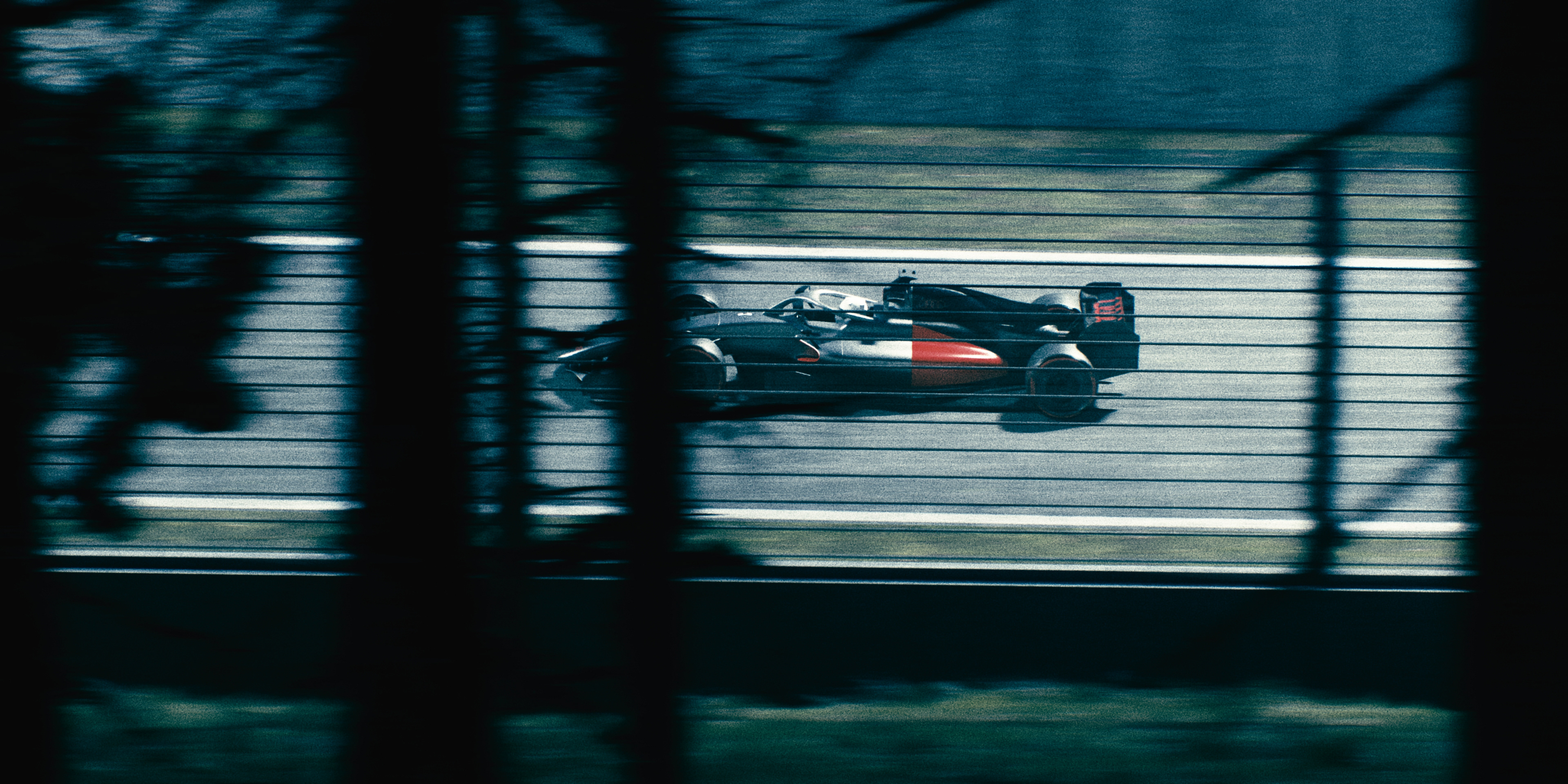
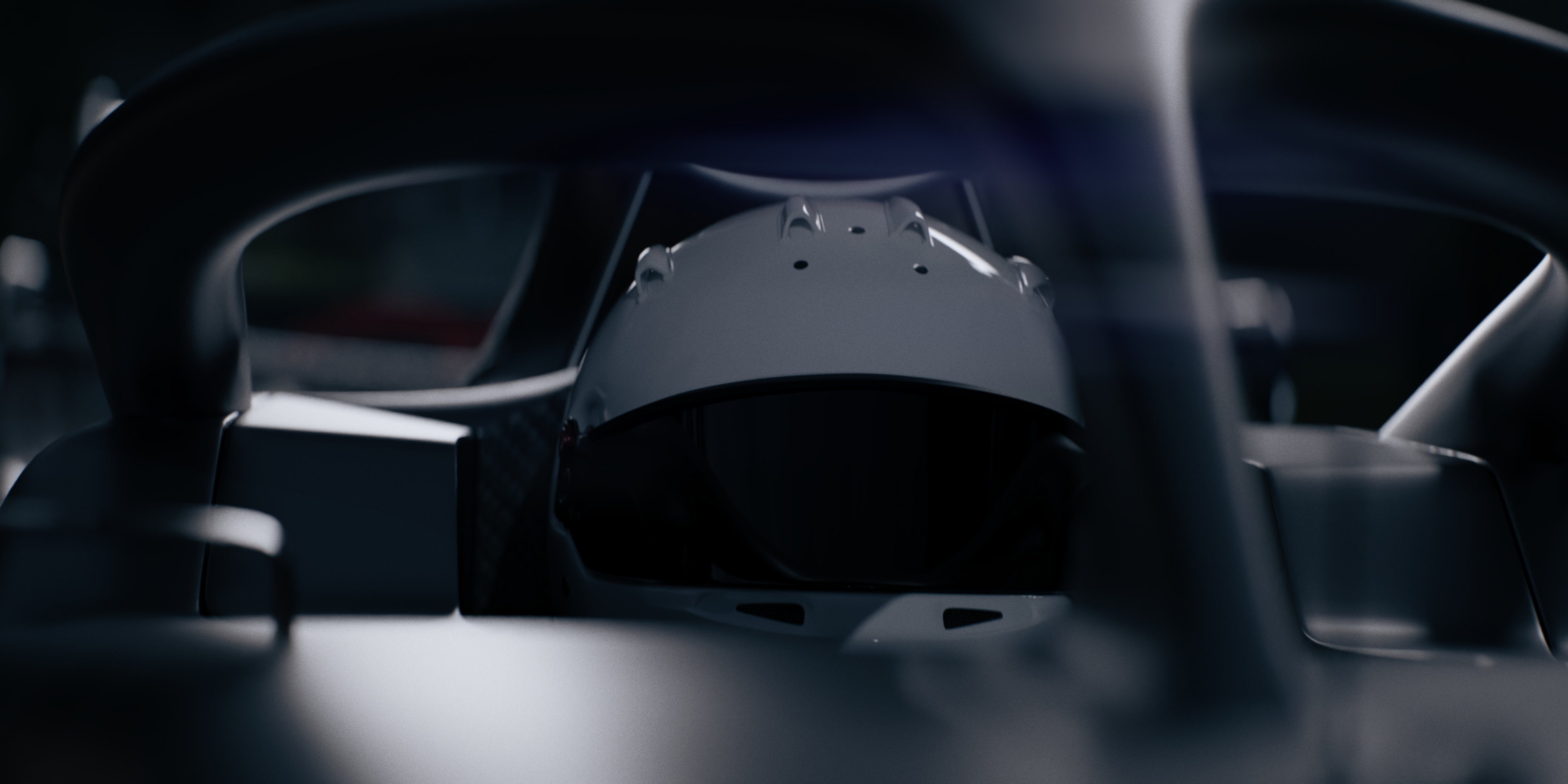
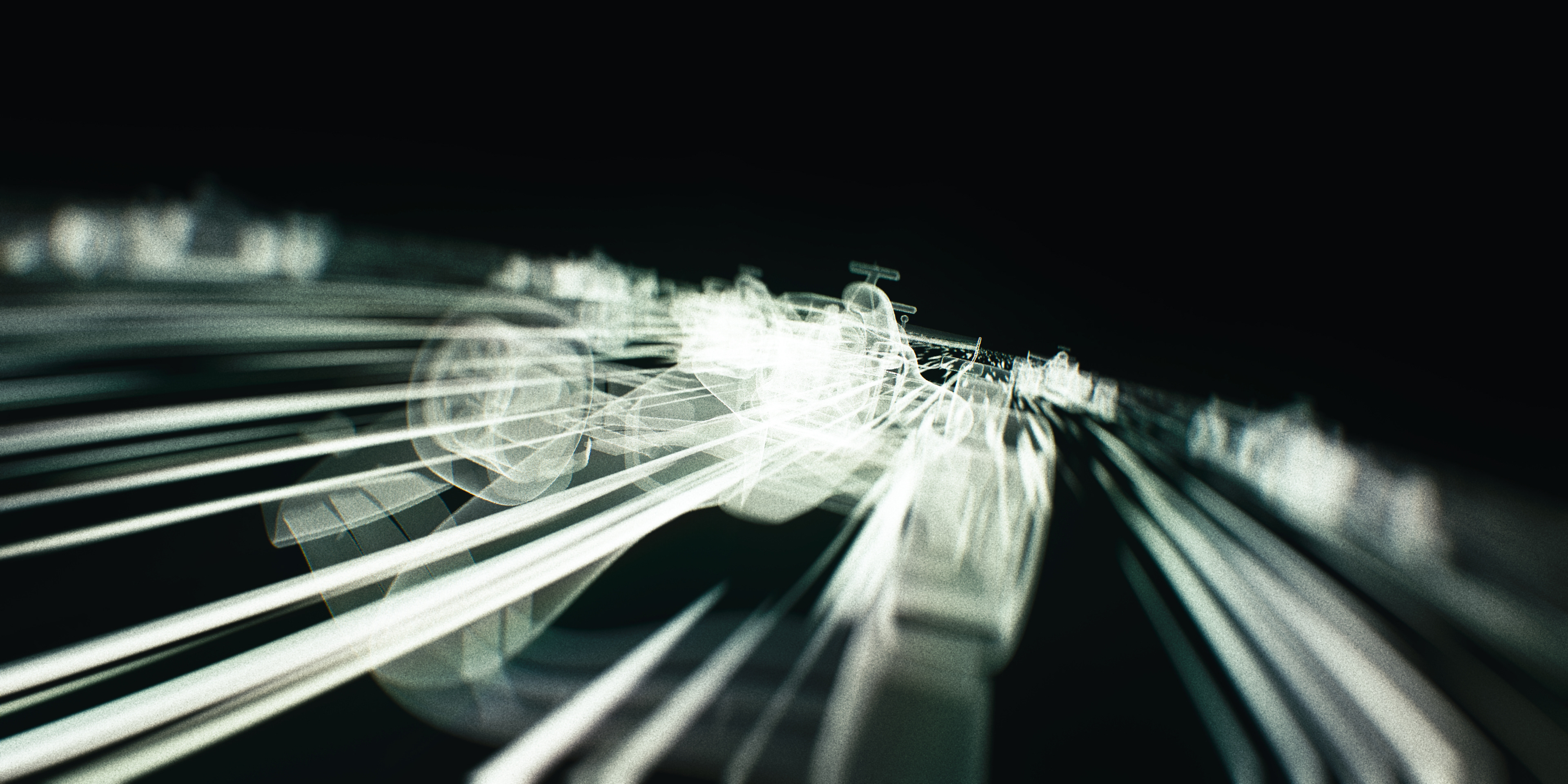
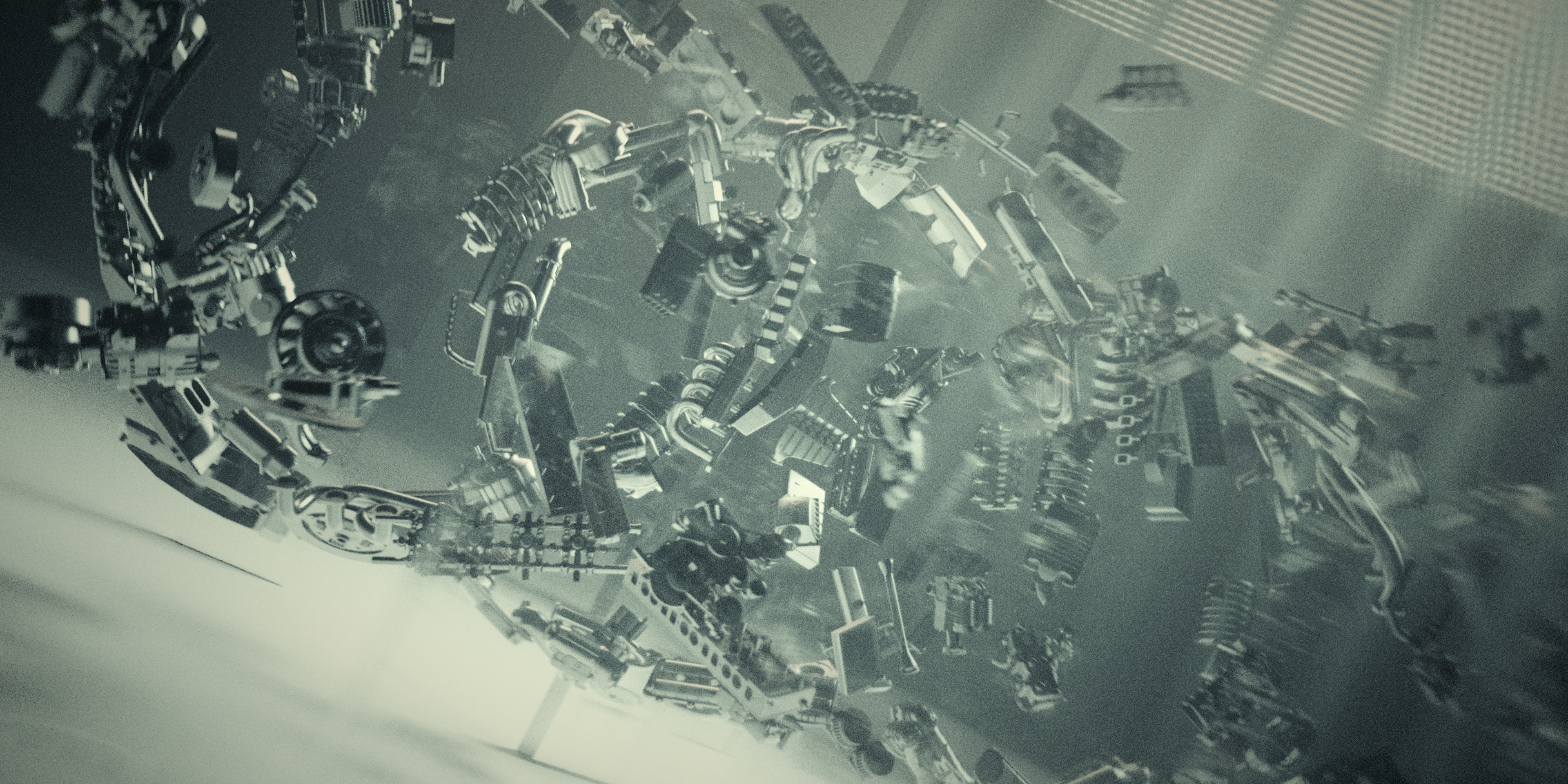
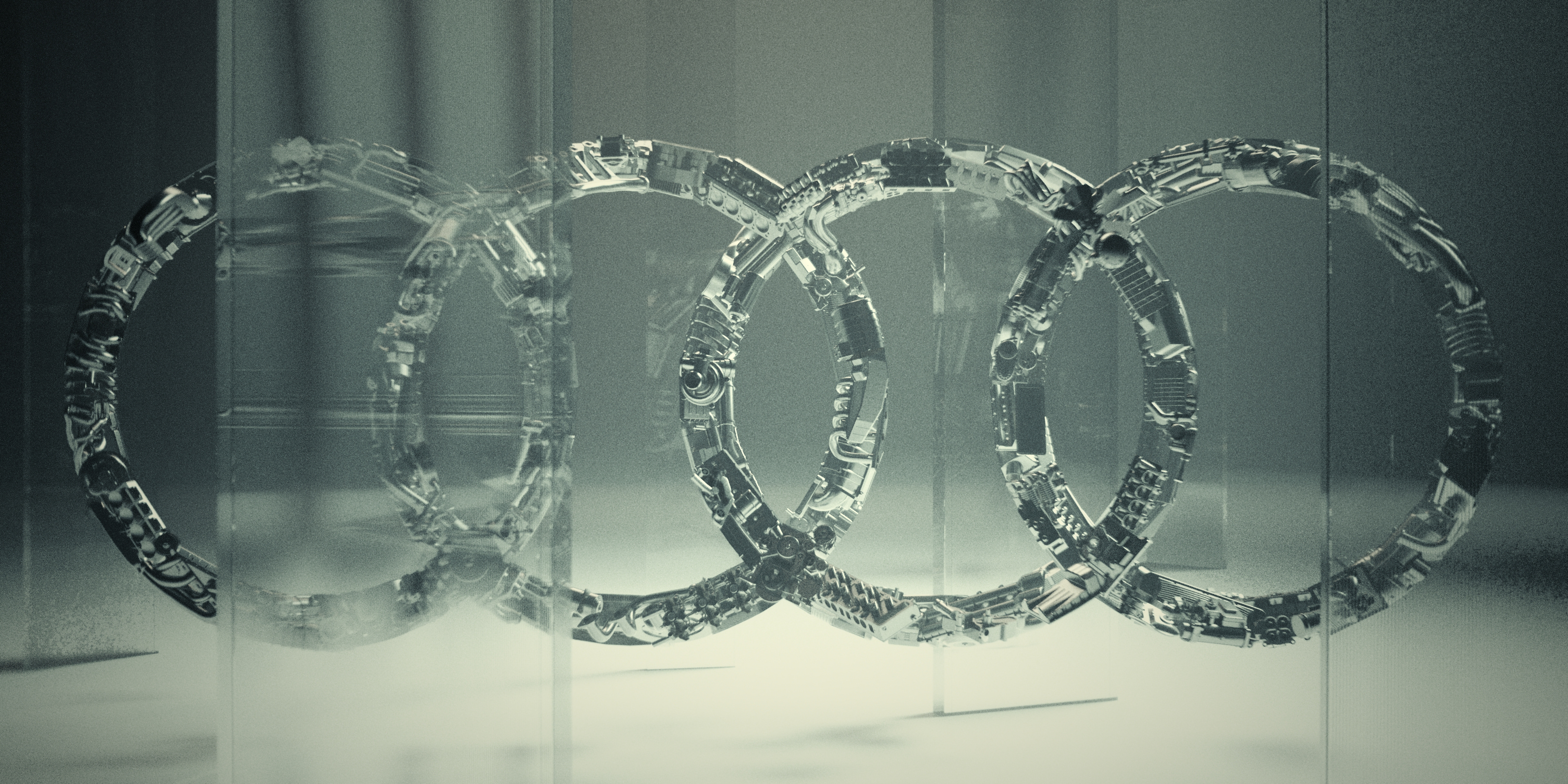
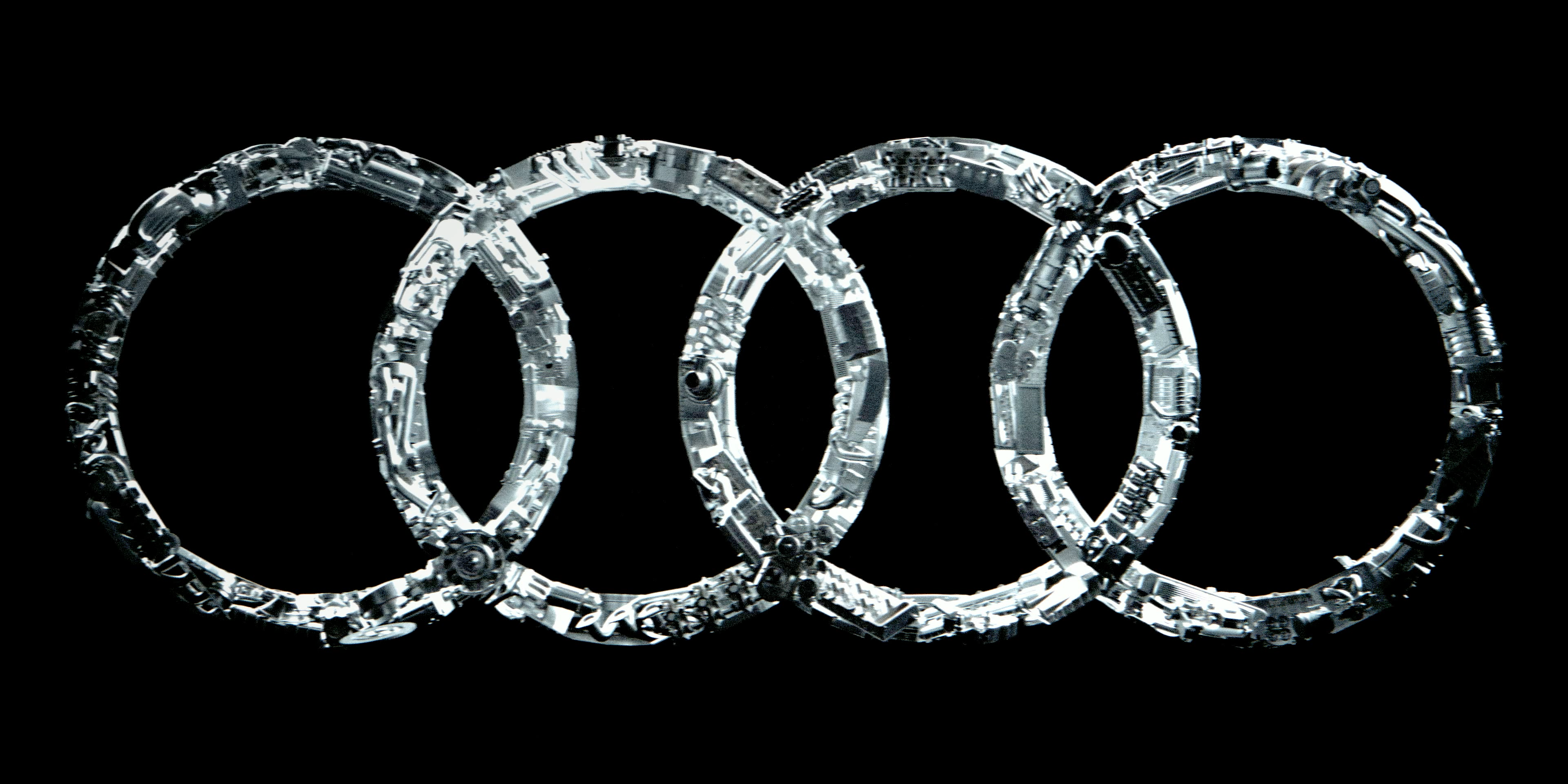
Behind The Scenes
I’ve been fascinated by the world of Formula 1 for many years. I was first introduced to it by a close friend of mine, who also appears as the driver in this piece. The project began with the idea of combining human athleticism with the incredible engineering that defines motorsport, bringing both elements together into a coherent piece of art. With the arrival of the Audi Revolut F1 Team on the 2026 grid and as someone who has admired Audi ever since the days of their legendary Group B rally cars, I knew this was the moment to finally bring the project to life.
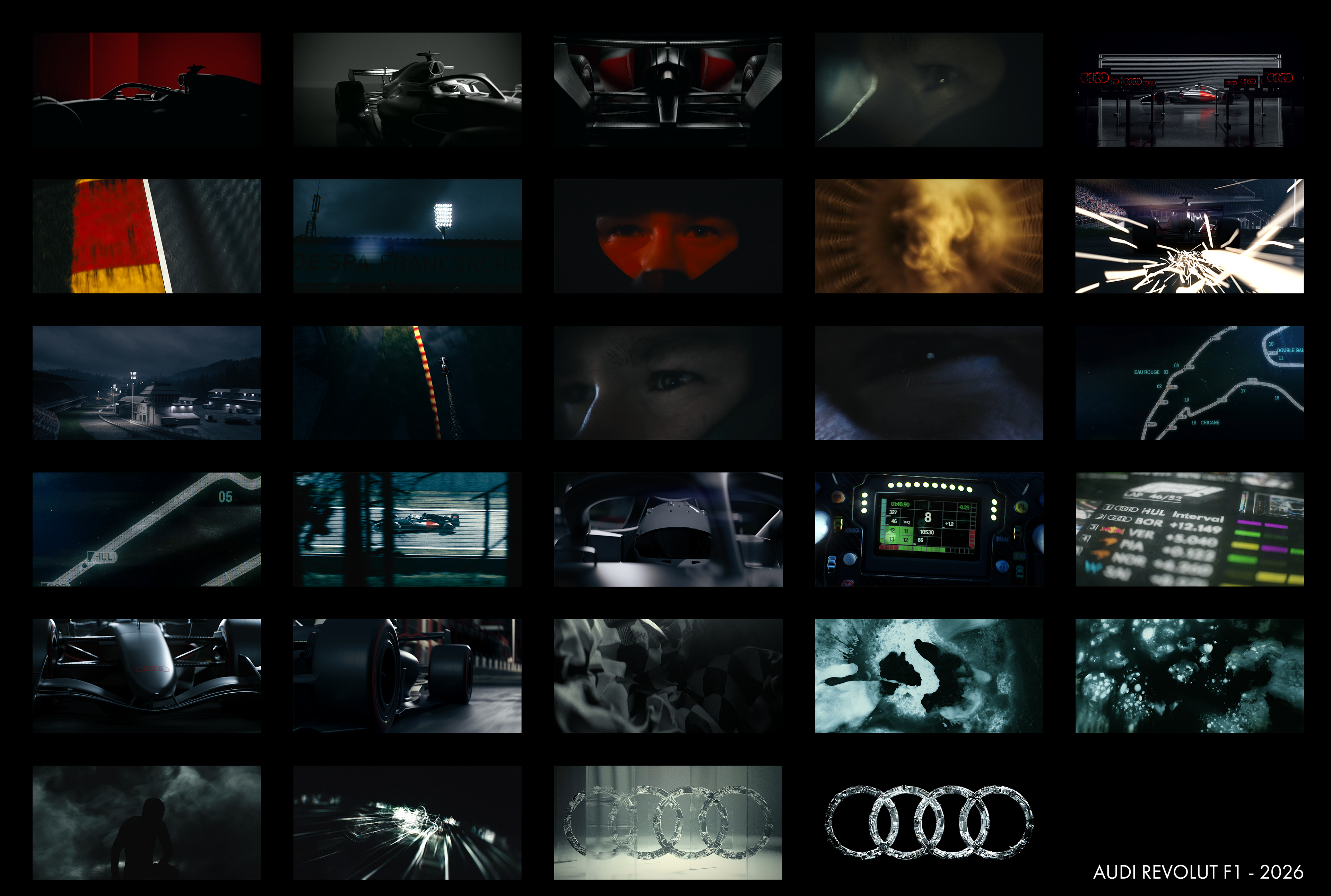
Combining practical photography and cg animation this film came into fruition over the course of about 40 days, working on it with a few friends part time as a passion project.
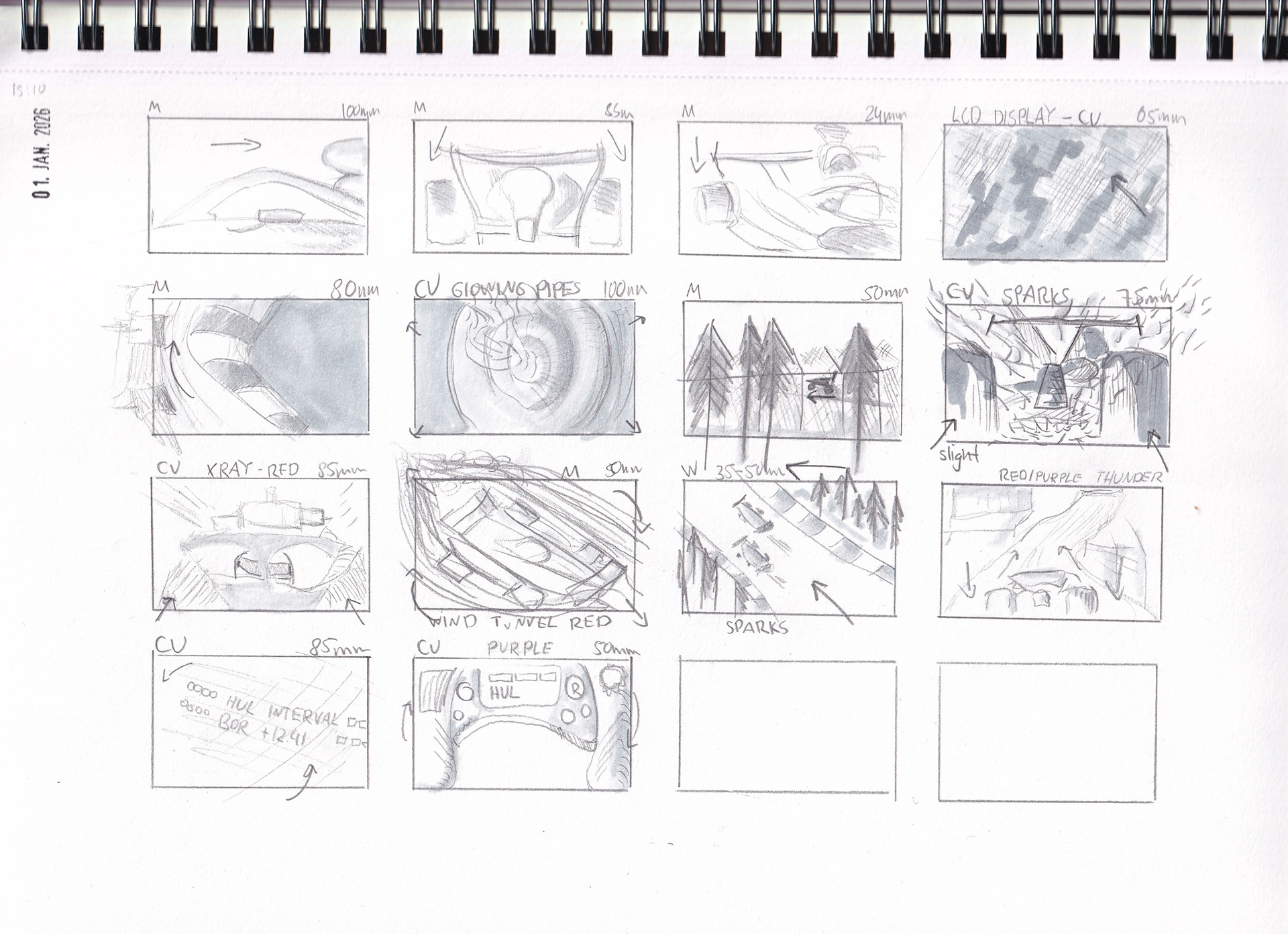
I started visualizing my ideas by creating a simple storyboard for most of the shots, specifying details such as lenses, camera movement and the overall flow of the story. The edit stayed almost unchanged from the version I originally imagined in my head.
SOUND DESIGN
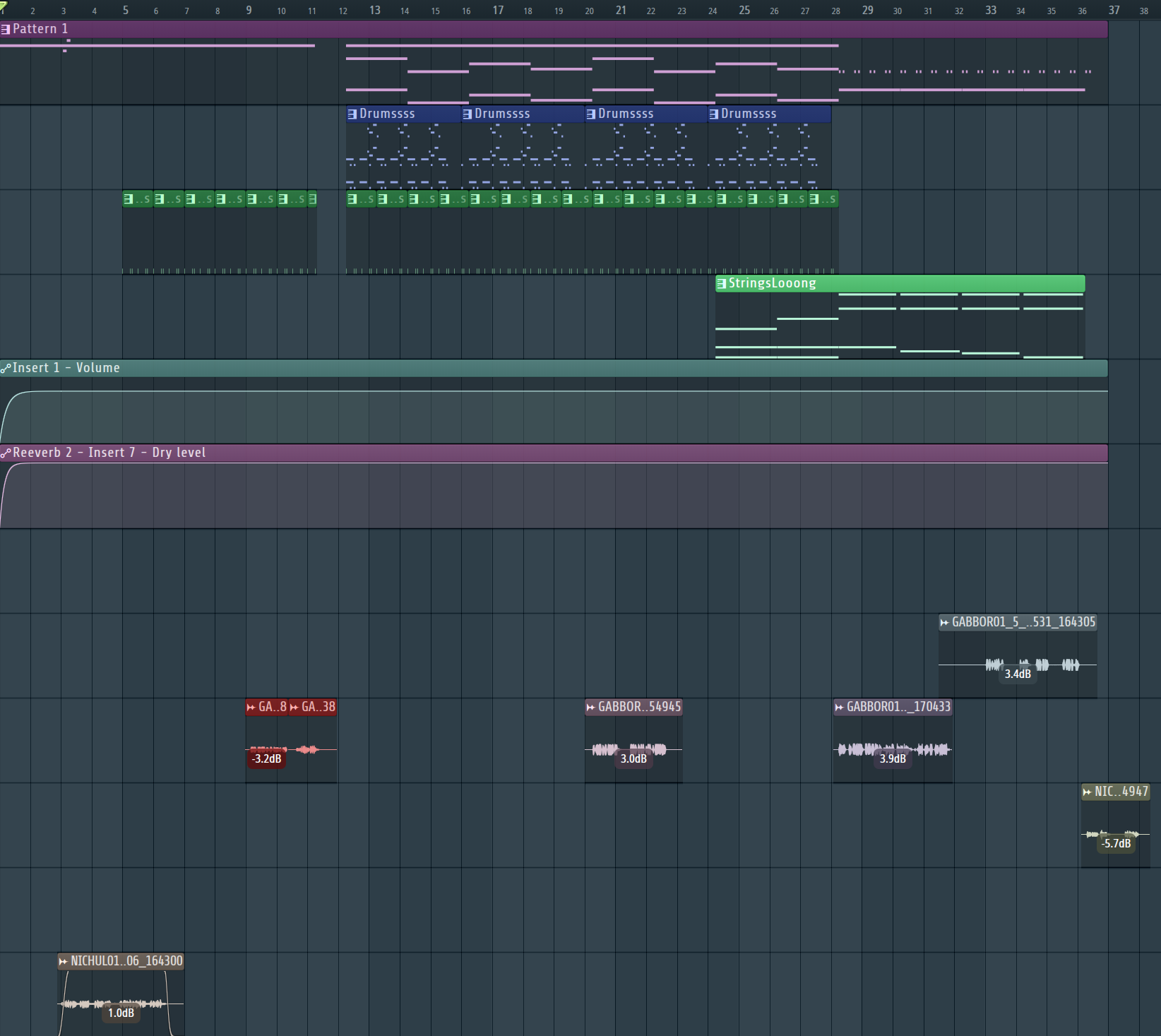
To bring the sound of Formula One to the screen, I combined many layers of sound effects with a custom-composed track, which features real radio messages from previous races involving Nico Hülkenberg, Gabriel Bortoleto, and the team.
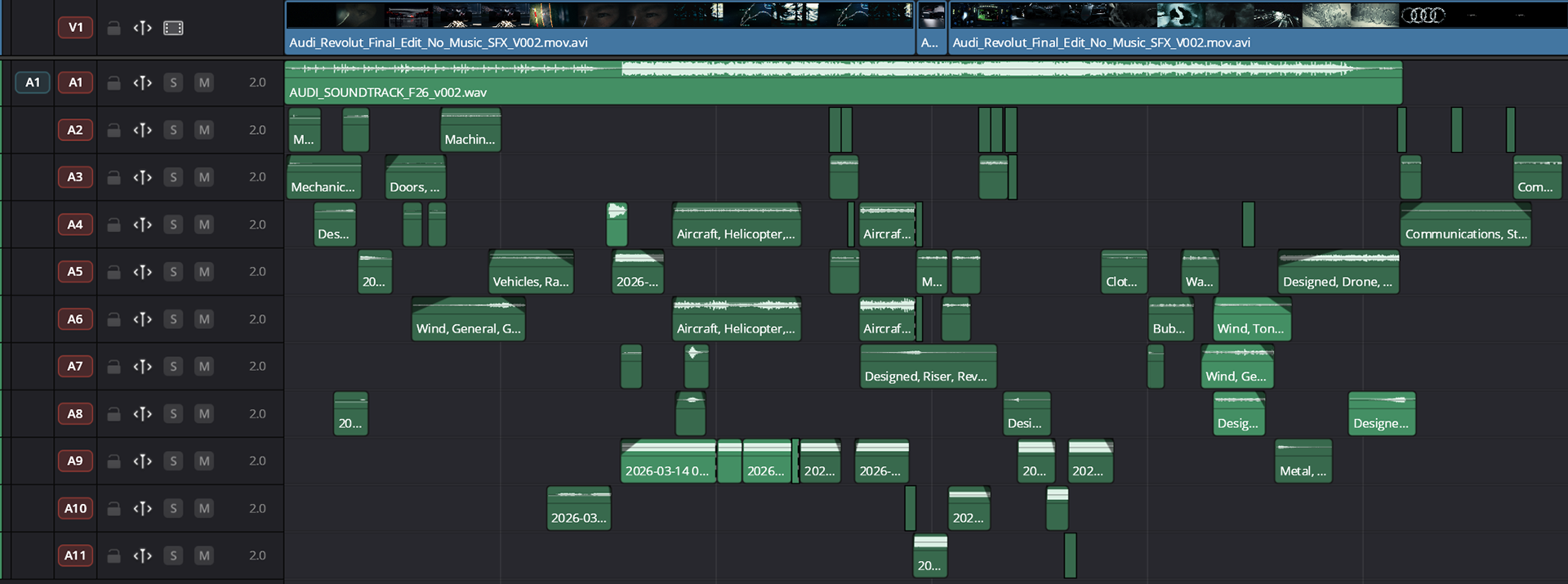
While audio libraries work well for shorter snippets of audio and more general sounds such as ambience, wind, or digital elements, finding the right engine recordings can be quite tricky, which is why I decided to simulate the physically accurate 1.6L V6 engine using 'Engine Simulator', in which every element of a combustion engine is simulated through fluid dynamics and can be controlled and monitored by the user. In the video below, you can see an example of exploring the software.
(including some atrocious upshifting attempts)
ANIMATION
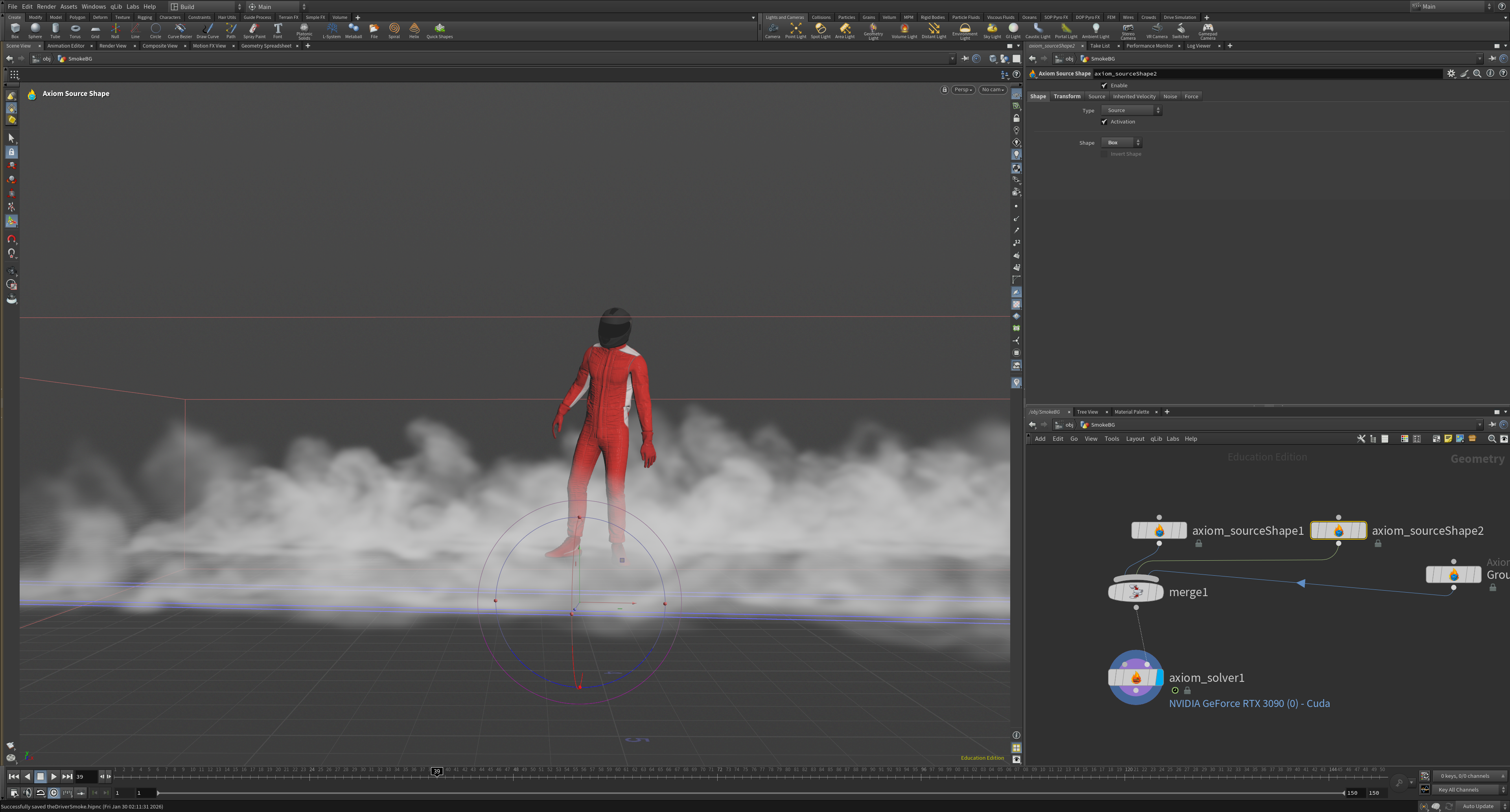
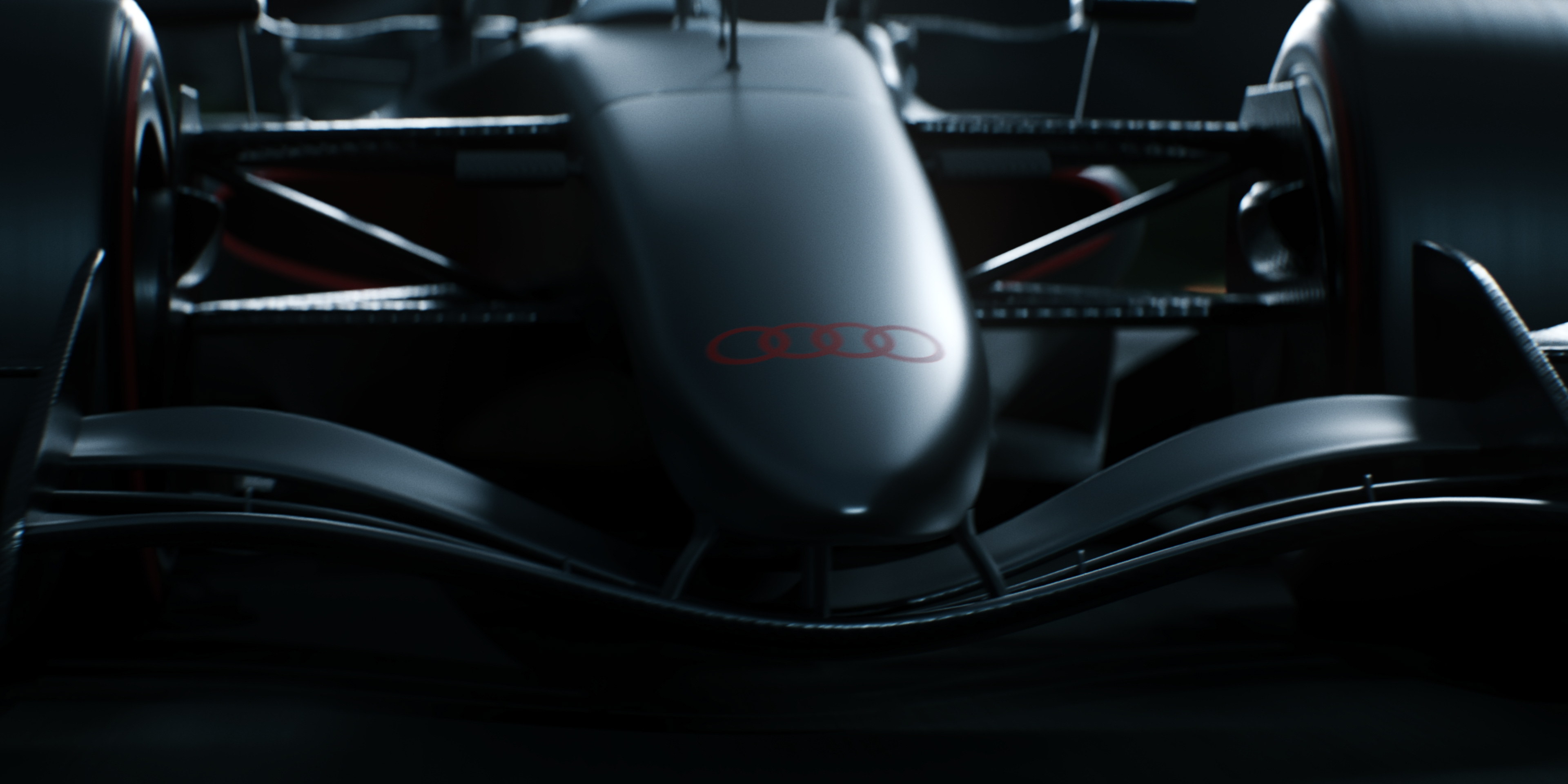
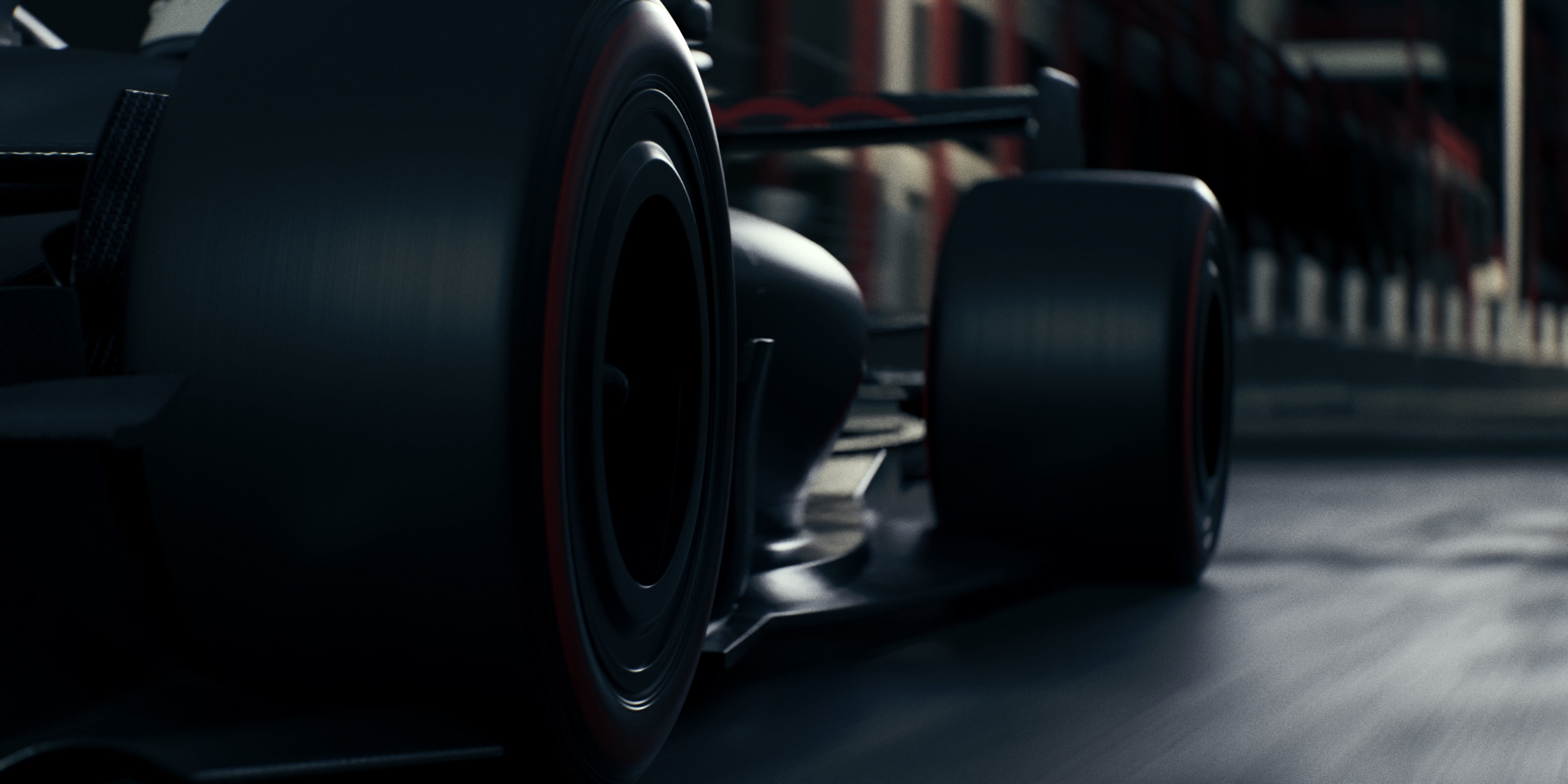
The majority of the project is entirely cgi animated. The software used include: Houdini, Blender, Karma XPU, Cycles, After Effects, Fusion, and RizomUV.
One of our main goals was to be experimental with this project and not get stuck in a rigid pipeline, so we used tools in ways we haven't before. Most 2D motion graphics were created in Blender, while a lot of 3D work consisted of tracked plates in After Effects.
The 3D process was quite iterative, and it wasn't uncommon for us to have 20+ versions of a single shot until we got it to our liking. Still, everything started with a solid composition which we then expanded upon.
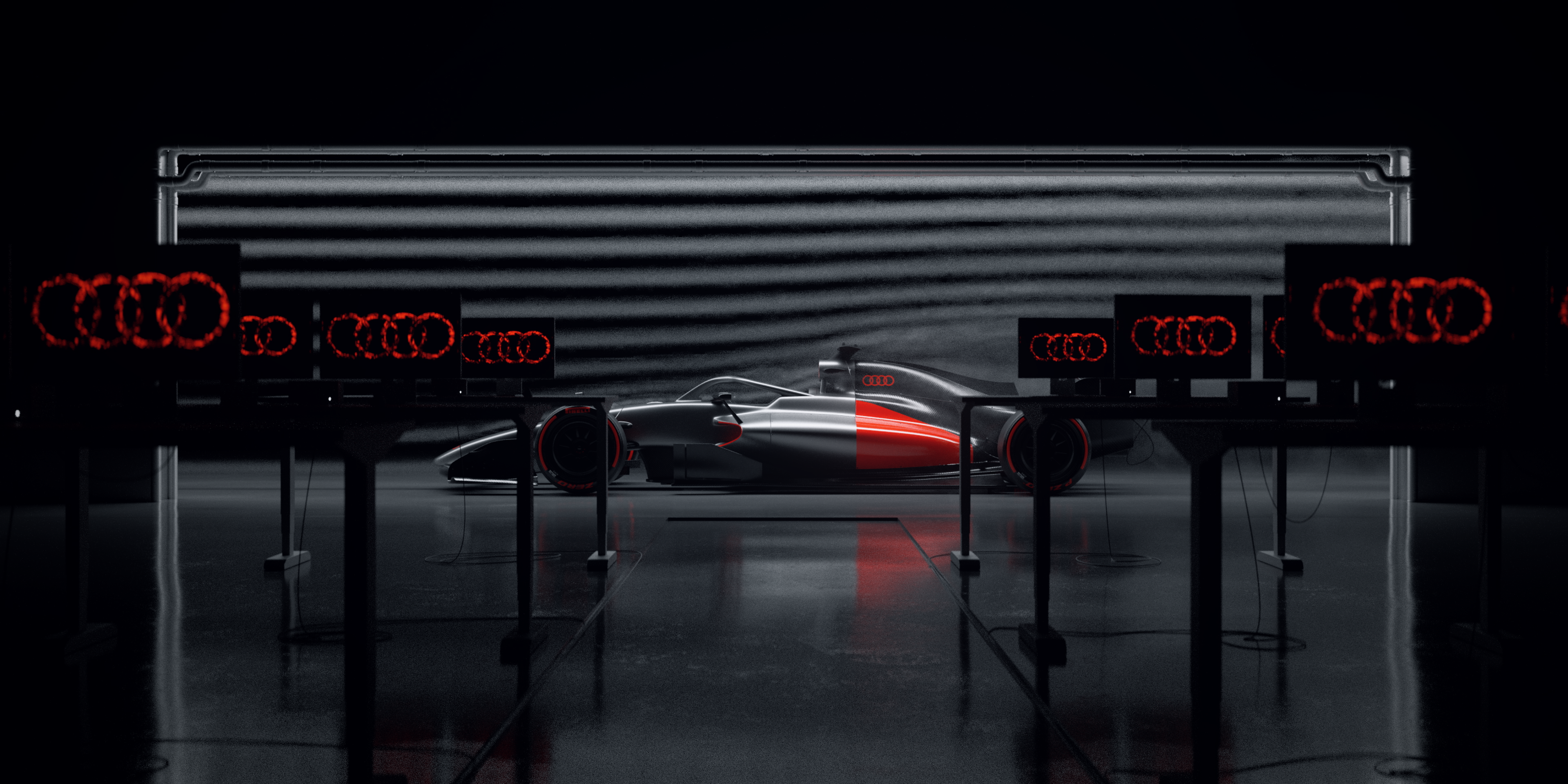
The final shot of the Audi logo made out of car parts was the first shot I tackled for this project and also the first one I came up with. It was important for me to create something that I haven't seen done in the 3D world before. Borrowing this optical illusion from physical art installations, I hand-placed more than 400 assets to match the outlines of the Audi Logo from the camera's perspective. Quite the effort, but well worth it.
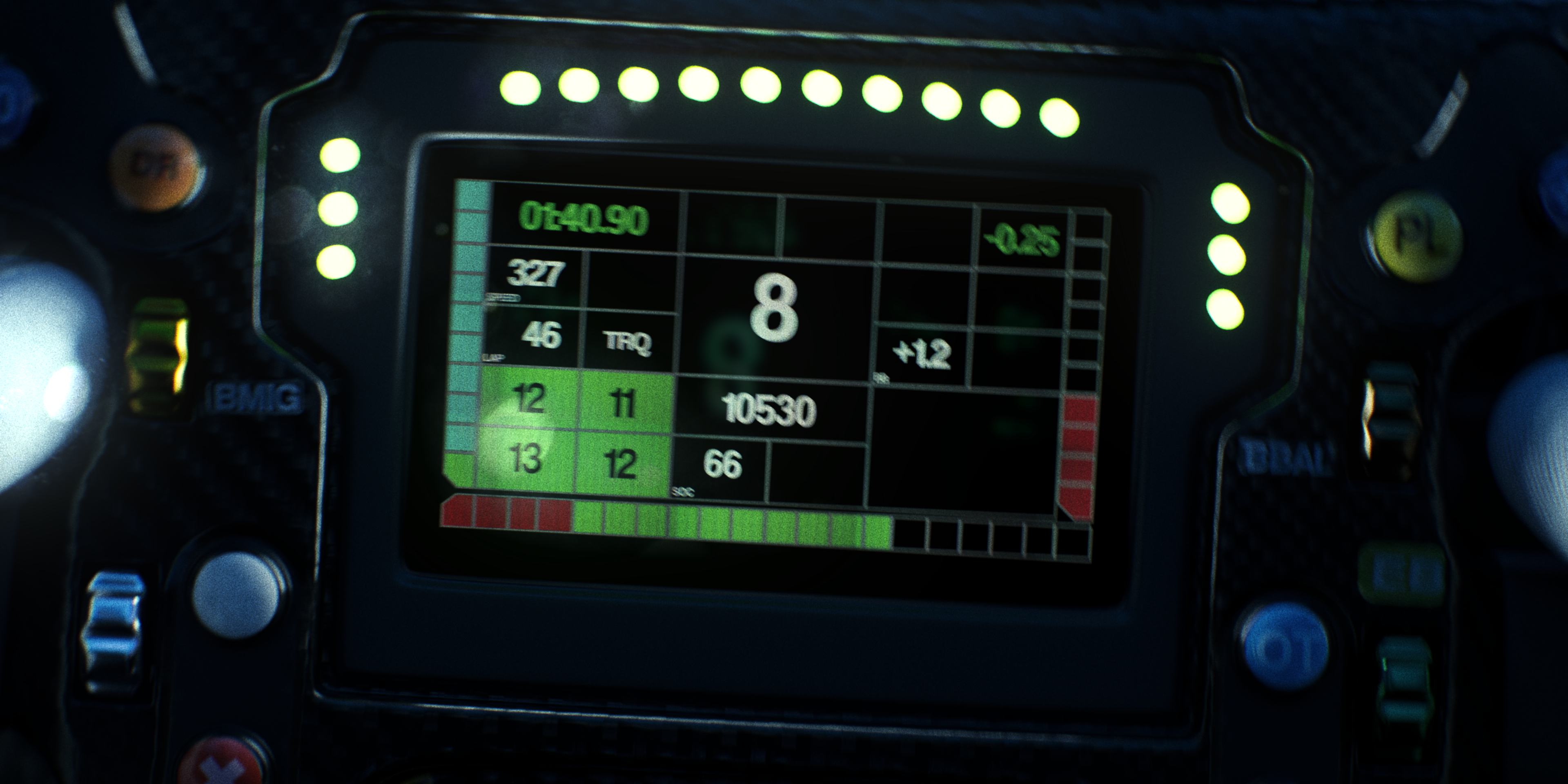
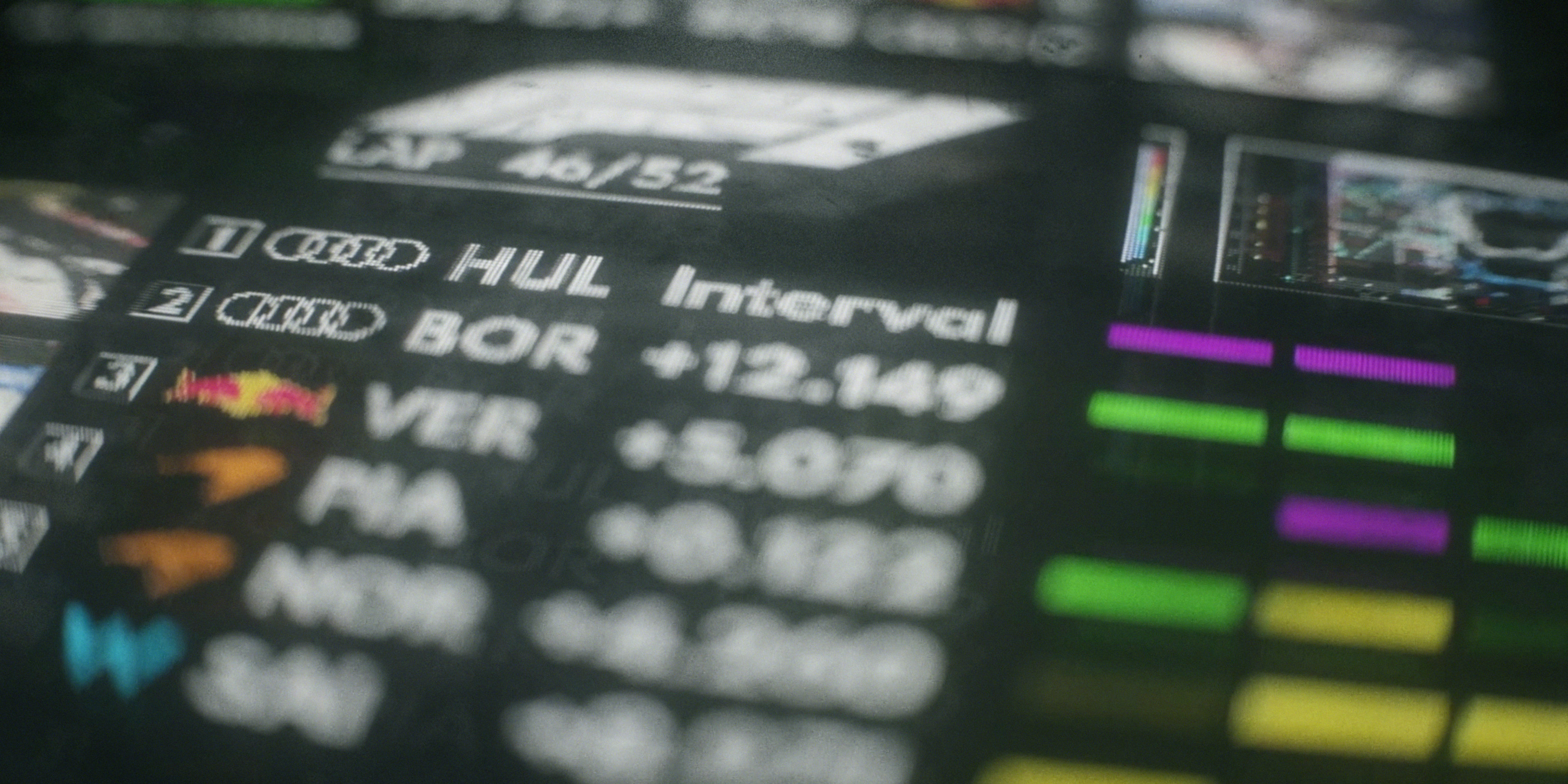
As viewers, we don't get direct access to the UIs of each team's steering wheel or the garages' telemetry interfaces so I gathered as many references from race days as I could and stitched together HUDs and UIs that felt believable and visually pleasing at the same time. The steering wheels display is a combination of old Kick Sauber UI and some Ferrari elements. Each value is animated with intent.
For the Race overview, the process was more inventive as there really isn't one 'logical' interface and I knew most of the video would be out of focus anyway. A main focus here was to have lots of blinking elements and interesting bokeh shapes.
Easter egg: The Interval from Bortoleto to Hülkenberg (+12.149) is the alphabetic equivalent of "AUDI" (1-A; 21-U; 4-D; 9-I)
THANK YOU TO EVERYONE WHO MAKES RACING POSSIBLE
AND KEEPS MOTORSPORT ALIVE